Projects/Regional Priority Plan
Project Areas
The projects below constitute Santa Barbara’s Regional Priority Plan for Wildfire Resilience and Ecosystem Health (RPP). The RPP prioritizes actionable projects that mitigate fire risk, build community capacity and increase wildfire and climate resilience. The plan was initiated in 2020 through a highly collaborative process that resulted in the identification, prioritization and categorization of wildfire risk mitigation projects for the region of Santa Barbara County. A living plan, the RPP continues to be updated as its projects are implemented and completed and as new project priorities are identified, characterized and prioritized.
The categories below are one way of sorting projects, however some projects may fall into multiple categories. To view projects in each focus area, click on the links above.

Working together we can reduce wildfire risk, improve wildfire preparedness, improve biodiversity and advance the creation of a fire-adapted community. This challenge is complex. It calls for all of us and it requires addressing it from different angles. Many projects necessitate collaboration and participation across sectors.
All Projects
{sync=/all-projects/tag/New} NEW! Recently Submitted
-
Dream it.
-
Build it.
-
Grow it.
-
Sell it.
-
New List Item
-
New List Item
-
New List Item
-
New List Item
-
New List Item
-
New List Item
-
New List Item
-
New List Item
-
New List Item
{sync=/all-projects/tag/In+Progress} In Progress
-
Dream it.
-
Build it.
-
Grow it.
-
Sell it.
-
New List Item
-
New List Item
-
New List Item
-
New List Item
-
New List Item
-
New List Item
-
New List Item
-
New List Item
-
New List Item
-
New List Item
-
New List Item
-
New List Item
-
New List Item
-
New List Item
-
New List Item
{sync=/all-projects/tag/Partially+Funded%2FUnderway} Partially Funded/Partially Underway
-
Dream it.
-
Build it.
-
Grow it.
-
New List Item
-
New List Item
-
New List Item
-
New List Item
-
New List Item
-
New List Item
-
New List Item
-
New List Item
-
New List Item
-
New List Item
{sync=/all-projects/tag/Recommended} Recommended
-
Dream it.
-
Build it.
-
Grow it.
-
Sell it.
-
New List Item
-
New List Item
-
New List Item
-
New List Item
-
New List Item
-
New List Item
-
New List Item
-
New List Item
-
New List Item
-
New List Item
-
New List Item
-
New List Item
-
New List Item
-
New List Item
-
New List Item
-
New List Item
-
New List Item
-
New List Item
-
New List Item
-
New List Item
-
New List Item
-
New List Item
-
New List Item
-
New List Item
-
New List Item
-
New List Item
{sync=/all-projects/tag/Completed} Completed
-
Dream it.
-
Build it.
-
Grow it.
-
Sell it.
-
New List Item
-
New List Item
-
New List Item
-
New List Item
-
New List Item
-
New List Item
Project Search
There is a need for financial and logistical assistance to undertake home hardening in Lompoc. While there is ample information available to assist property owners (and renters) with preparing their residence to remain safe from fire, there are no funds to support this work, and no locally trained workers who can complete the upgrades.
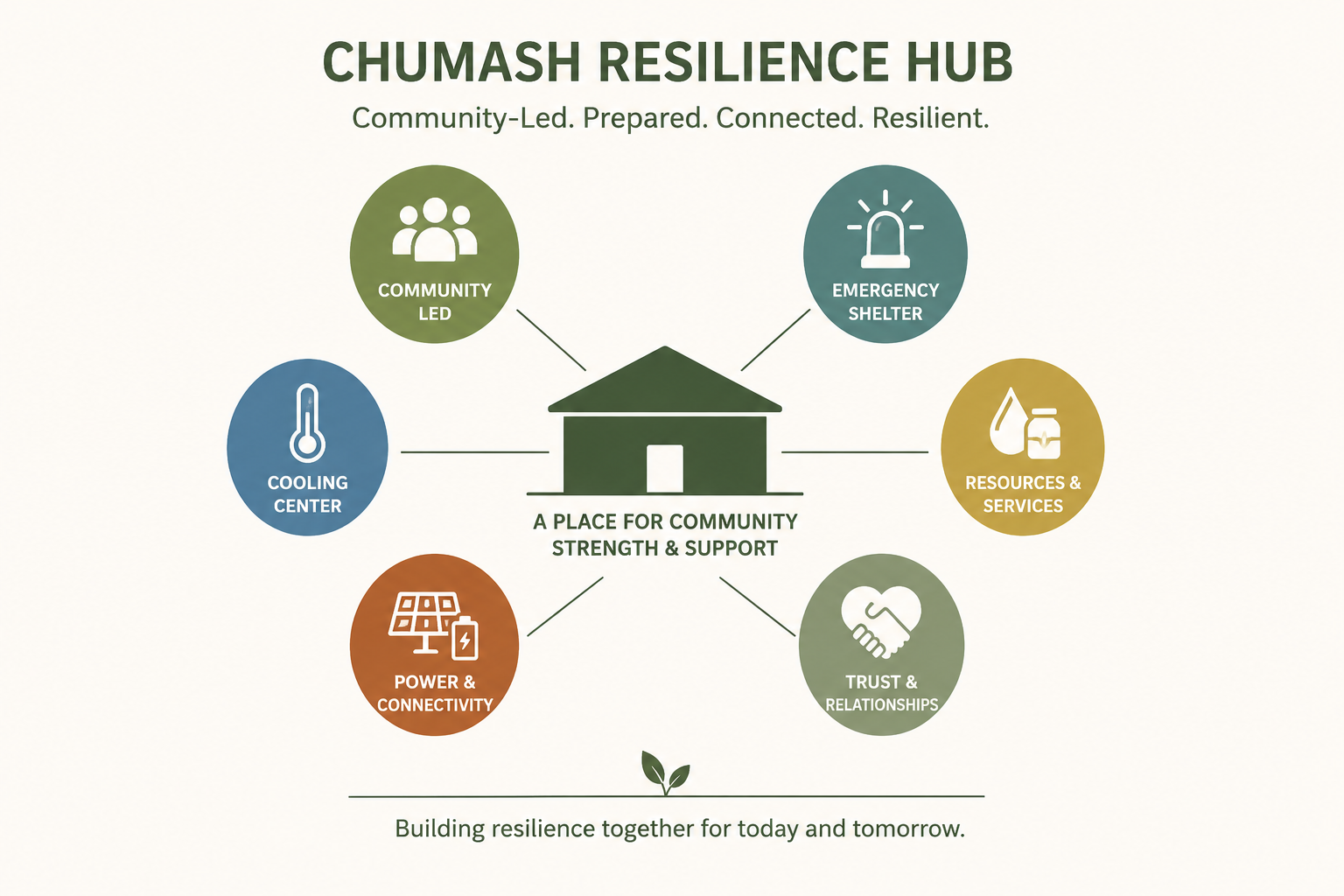
Chumash community members living in the Lompoc area have expressed a need for an Indigenous-led and focused resilience hub and linked networks for communication and coordination among Chumash residents.
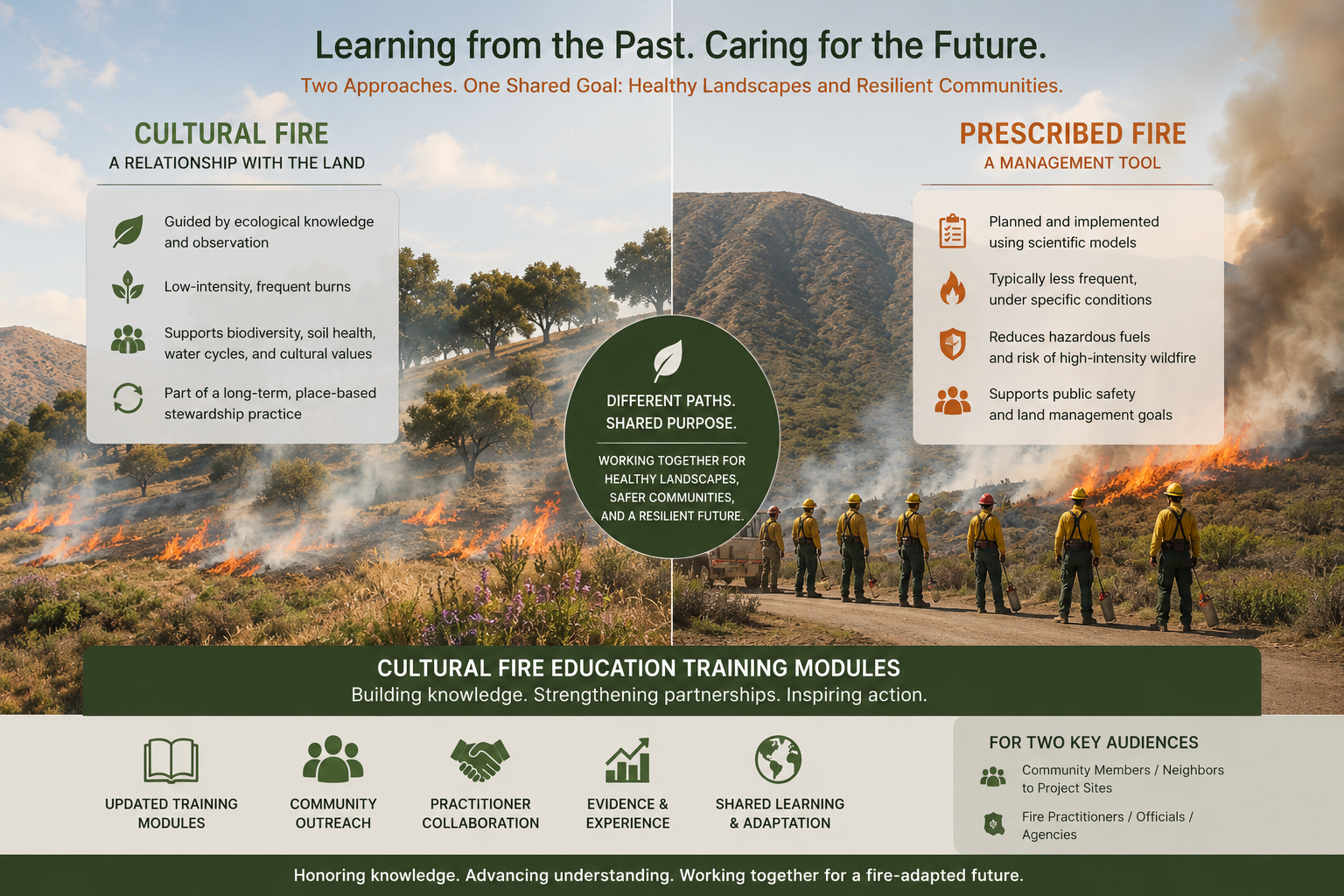
Chumash peoples have developed an internal training module series to educate their burn bosses and those who are working in the "good fire" and cultural fire realm.
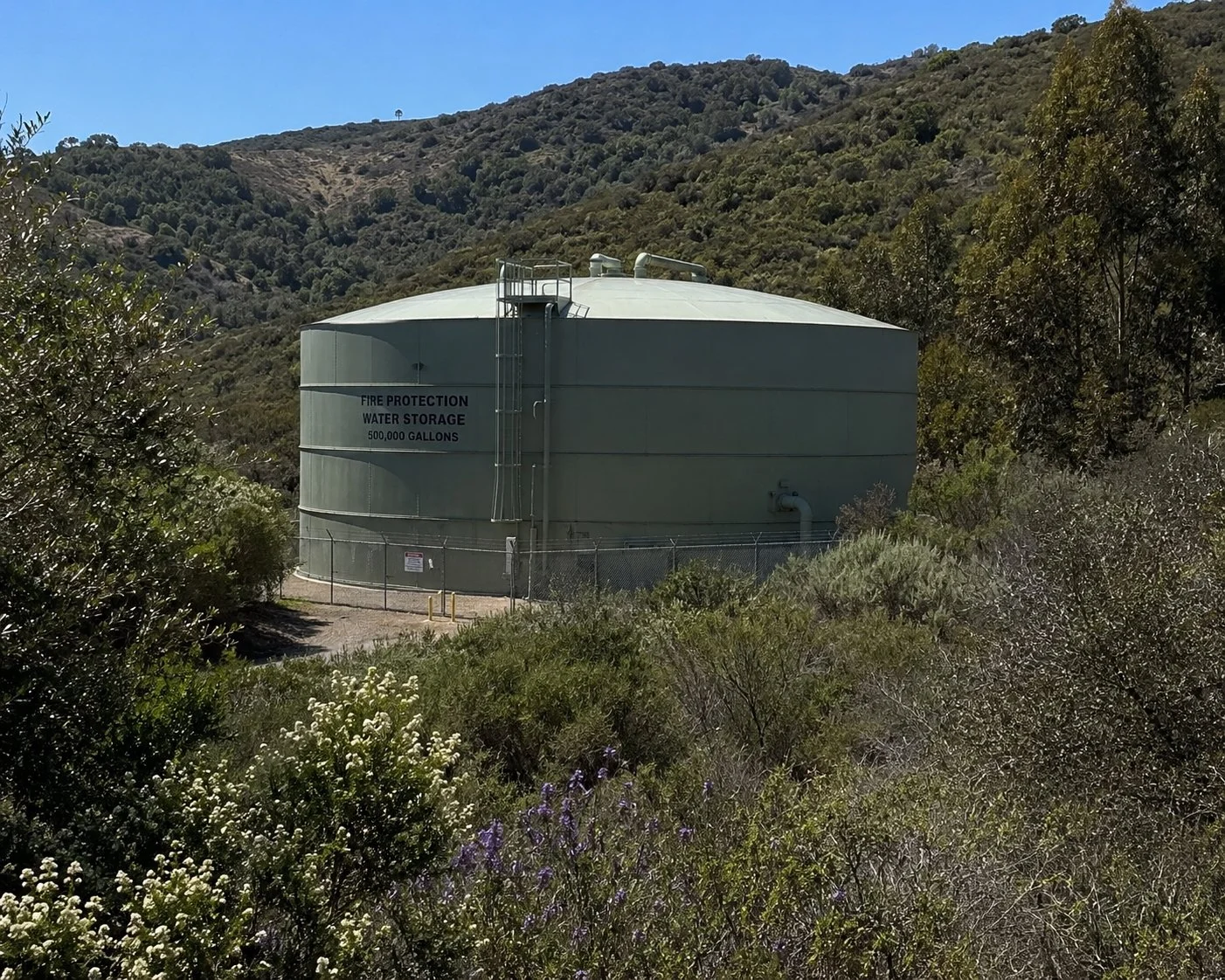
The Lompoc Fire Department has a robust water delivery system for firefighting, which pulls water from wells, plus 4 storage tanks located throughout the region.
During discussions with the various partners who deal with communities that may not speak English as their first language, a need to provide materials related to fire resiliency in various languages was identified.
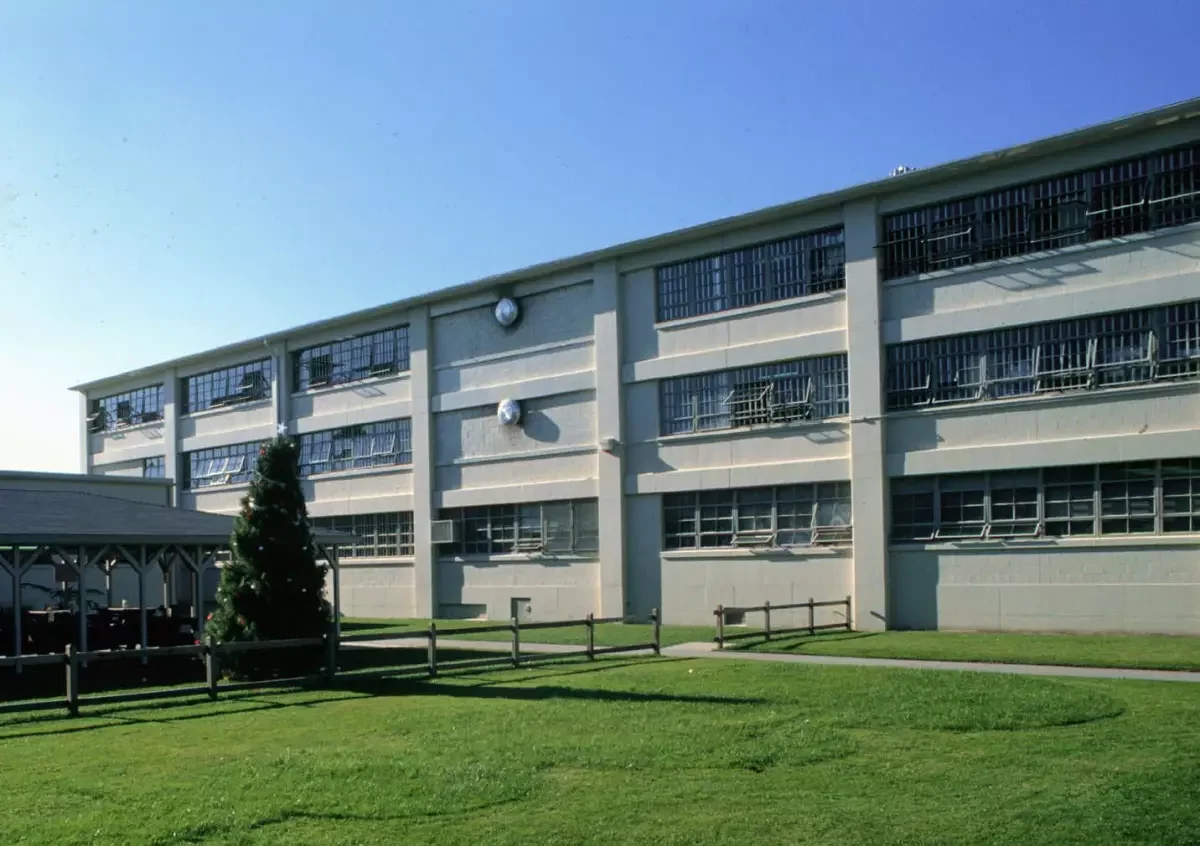
The Lompoc Prison, with its location next to Vandenberg SFB and other key areas, is an important partner in the fire resilience landscape for the Lompoc area.
The Housing Authority wishes to consider a regional assessment of the properties they manage to consider the needed upgrades for the properties they own.
Housing authorities play a vital role in ensuring fire safety resilience in public housing developments which house some of our most vulnerable community members.
There is a need to help homeowners prepare their homes for wildfire, particularly for lower income residents in vulnerable areas who lack resources or know how.
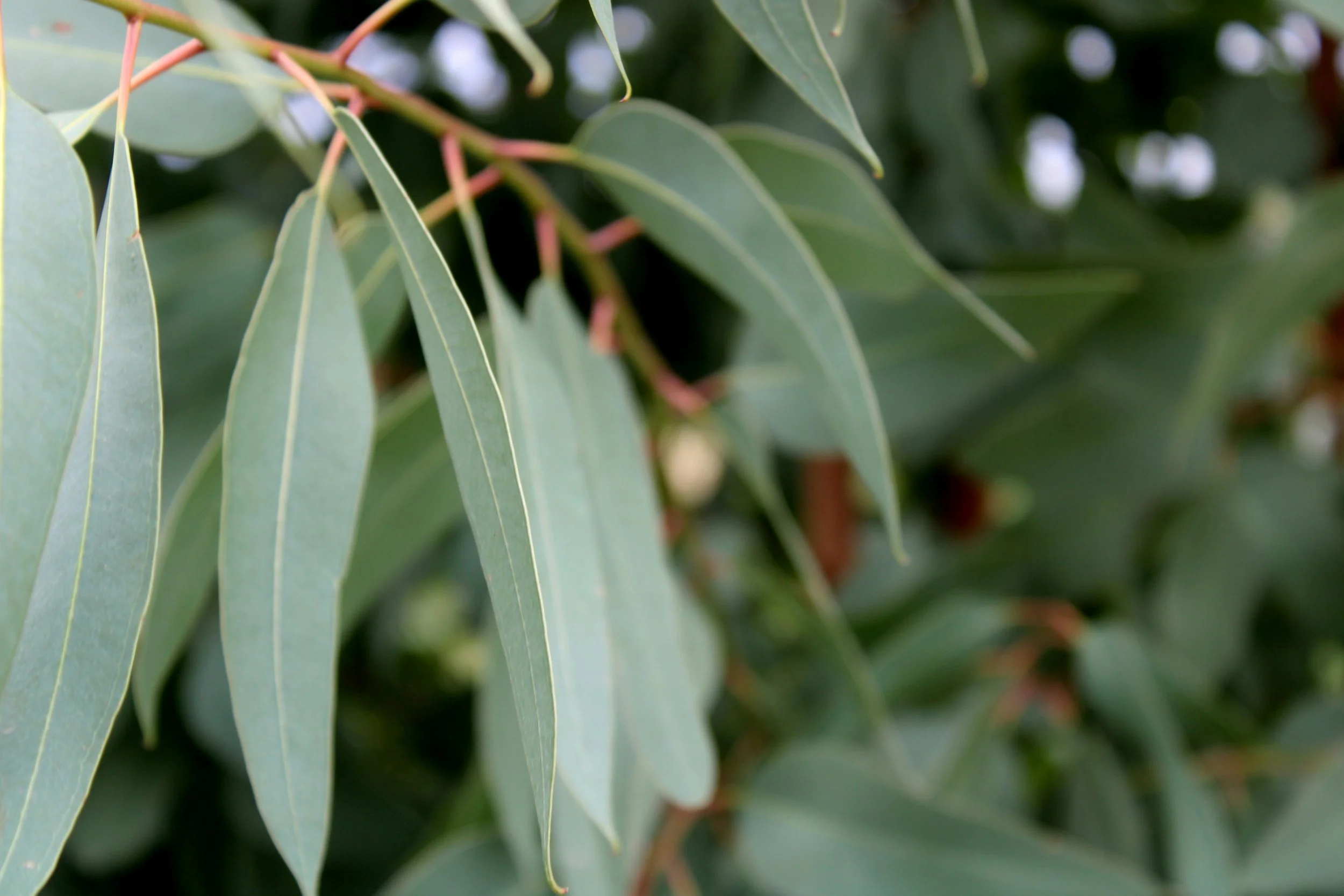
The mapping of eucalyptus trees on large ranches (which has been identified as a source of concern for fire ignition) would help to reduce fire risk throughout the region.
The creation of a regional non-profit for learning opportunities that could also support workforce development is a project that would create community and enhance landowner partnerships.
Santa Barbara Communities, such as Lompoc, lack the necessary workforce to implement fuel reduction, prescrived burns and other preventative measures.
New development standards and zoning are important tools to ensure future residential development and growth is not in harms way of wildfire and flooding, or impacting sensitive biological resources.
Develop a plan with identified roles for key CBOs to be activated before, during and after disasters to assist and coordinate with emergency response agencies.
Assess communication infrastructure needs and develop public/private partnerships for more robust news and information networks.
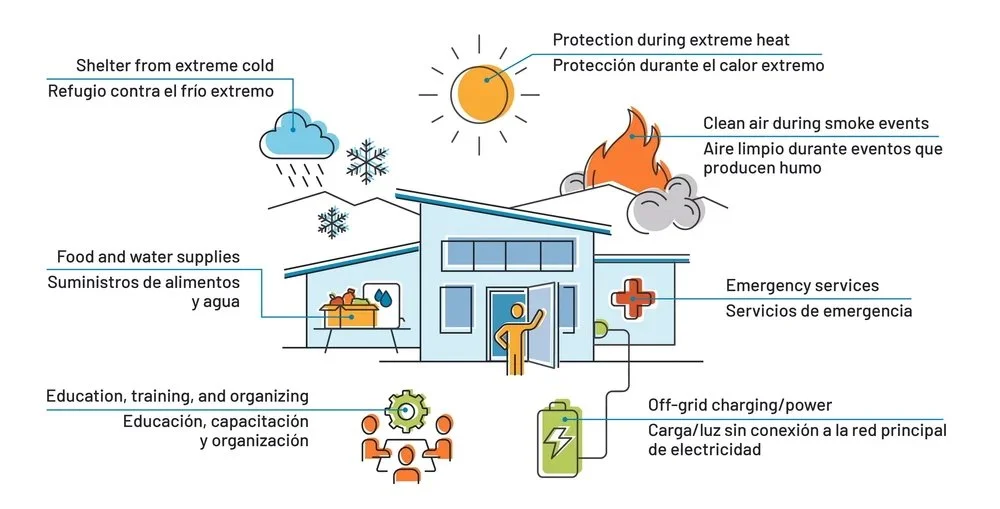
Resilience hubs promote community preparedness, well-being and trust-building and connect residents to resources and services before during and after a natural disasters or disruptions.
Wages for firefighters and safety personnel are often lower in small rural communities, like Lompoc, making it difficult to hire and retain staff and maintain moral. This can be a barrier to adequate fire response.
Study open spaces, public rights-of-ways, and parks for enhanced heat mitigation and cooling options for residents, including opportunities for adding trees and plantings, covered areas, and cooling stations.
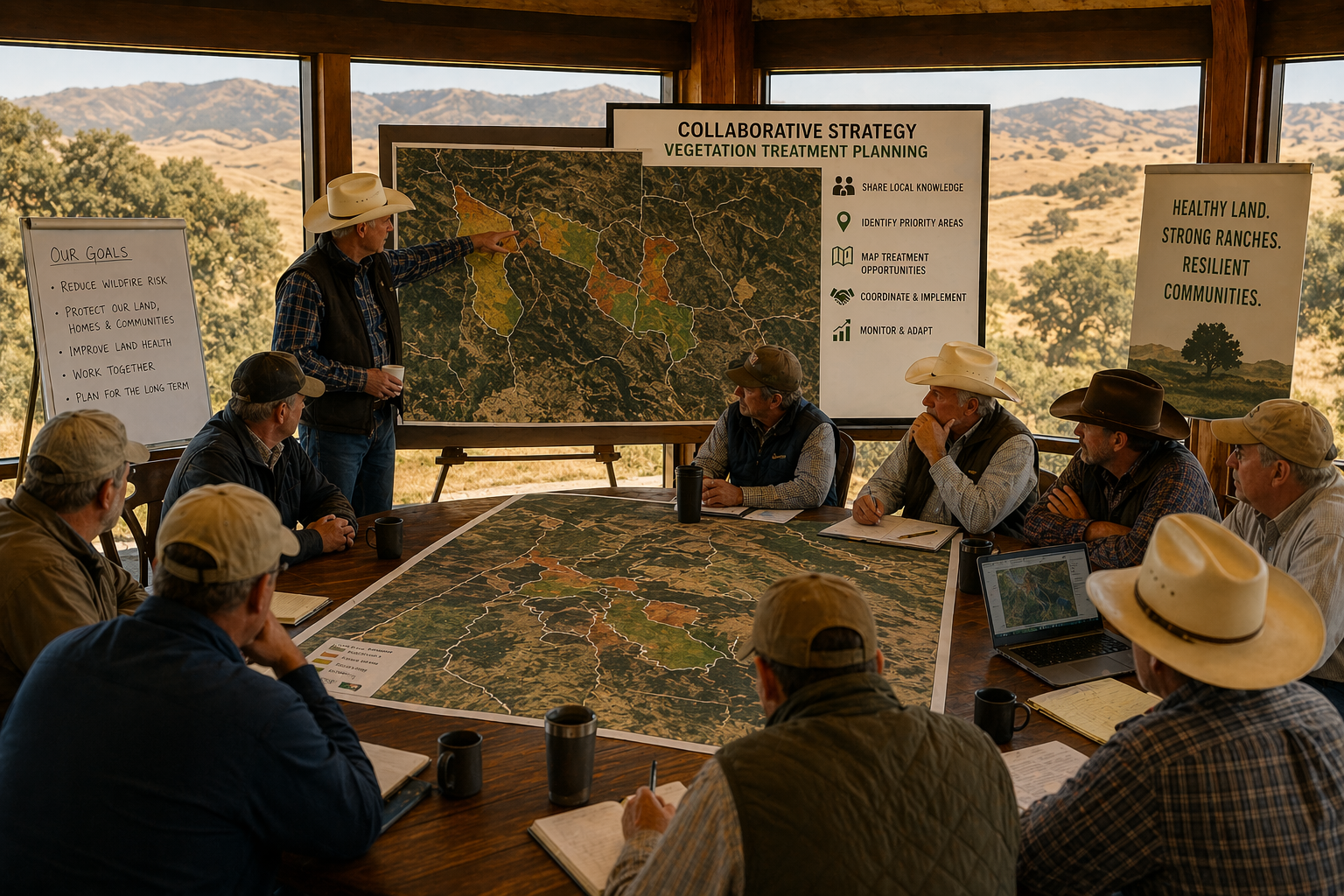
There are a number of efforts occurring across large landscapes in North Santa Barbara County that could be synergized and woven together for increased impact and holistic wildfire risk reduction and habitat improvement, resulting in increased impact.
Activities will include capacity building, partnership development, and coordination to advance and integrate strategies for fire resilience and align and advance priorities with those of the adjacent communities.
This project is leveraged by previous funding provided by the, National Fish and Wildlife Foundation, and next steps for the Santa Barbara County application of the RWMP (Regional Wildfire Mitigation Program) includes to to more thoroughly flush out this unique regional wildfire mitigation program so it is more easily adaptable and sustainable in both Santa Barbara County, as well as other counties in California and beyond. The intent of the RWMP is for a single organization to head the program at a county-wide scale. Moore Foundation WRI funds would allow the Santa Barbara County Fire Safe Council (SBCFSC) to lead all 3 domains, expand the framework to the entire County, explore the adaptive management feedback loop of the RWMP framework, and continue to improve on the process to better inform future RWMPs.
This project opportunity matrix and the RPP site are valuable community assets, but the information herein represents a snapshot of needs at this point in time and is not exhaustive. Building wildfire resilience in Santa Barbara County needs to be an ongoing proactive process. As identified projects are implemented, new needs and opportunities will emerge on an ongoing basis and need to be added to the Opportunity Matrix. The RPP team recommends a focused effort to create a Collaborative Resourcing Team that includes representatives from multiple agencies, nonprofits and funders to further develop these key pieces of our resilience system and then to maintain and put them to use.
The Parks and Recreation Department and Fire Department have partnered to improve the community’s fire resilience and reduce the risk and severity of wildfires. The collaboration balances the expertise of both teams to manage vegetation while protecting the natural ecosystems within the city’s open space parks. This work is a critical component of Santa Barbara’s Community Wildfire Protection Plan.
Parma Park is a City of Santa Barbara owned 200-acre open space park located within the extreme foothill zone of the high fire hazard area. The park is composed of twelve different vegetation communities. The native bigpod ceanothus chaparral community makes up a majority of the park space, followed by the coast live oak woodland and forest community.
Honda Valley Park is a City of Santa Barbara owned 48-acre open space park located within the coastal interior zone of the high fire hazard area. The park has diverse, dense vegetation along steep slopes and within canyons, as well as a heavy understory of invasive plants and thatch.
LAFCO is seeking to develop a regional strategy for growth in the County through a planning effort with partners and cities.
Girls Inc. of Carpinteria provides year-round programming for girls and their families at its facility which includes classrooms, a STEM lab, library, conference room, gymnasium, kitchen, offices and outdoor spaces. Girls Inc. recently opened a 24/7 community food pantry, a clothing closet for women and girls and now offers mental health services.
Resilience Hubs are a central component of ensuring that our community has the critical resources, security, and information it needs during disasters to weather and recover from even the greatest adversity.