
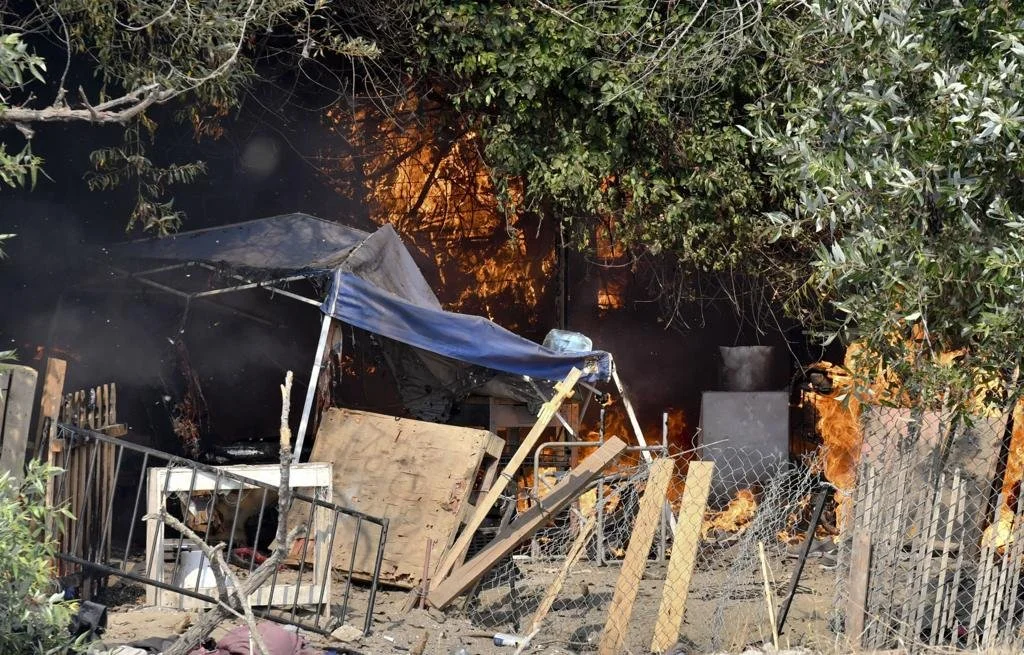
Homeless Encampment Management in SYR Floodplain
Ongoing homeless encampments in the Santa Ynez riverbed present a fire risk as areas that have been identified as “very high” and “high” fire risk severity zones by CalFIRE.
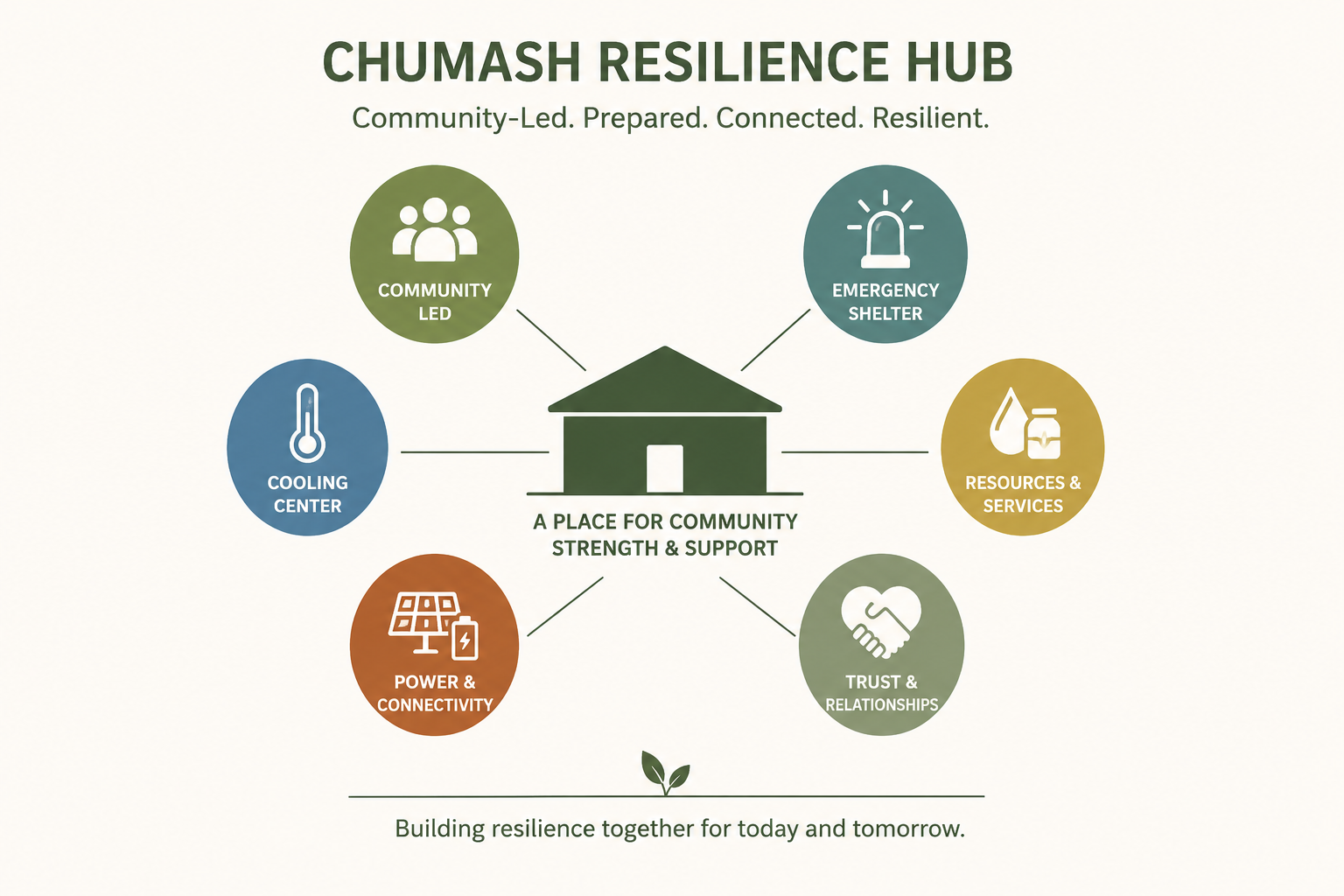
Chumash Resilience Hub & Network Planning
Chumash community members living in the Lompoc area have expressed a need for an Indigenous-led and focused resilience hub and linked networks for communication and coordination among Chumash residents.
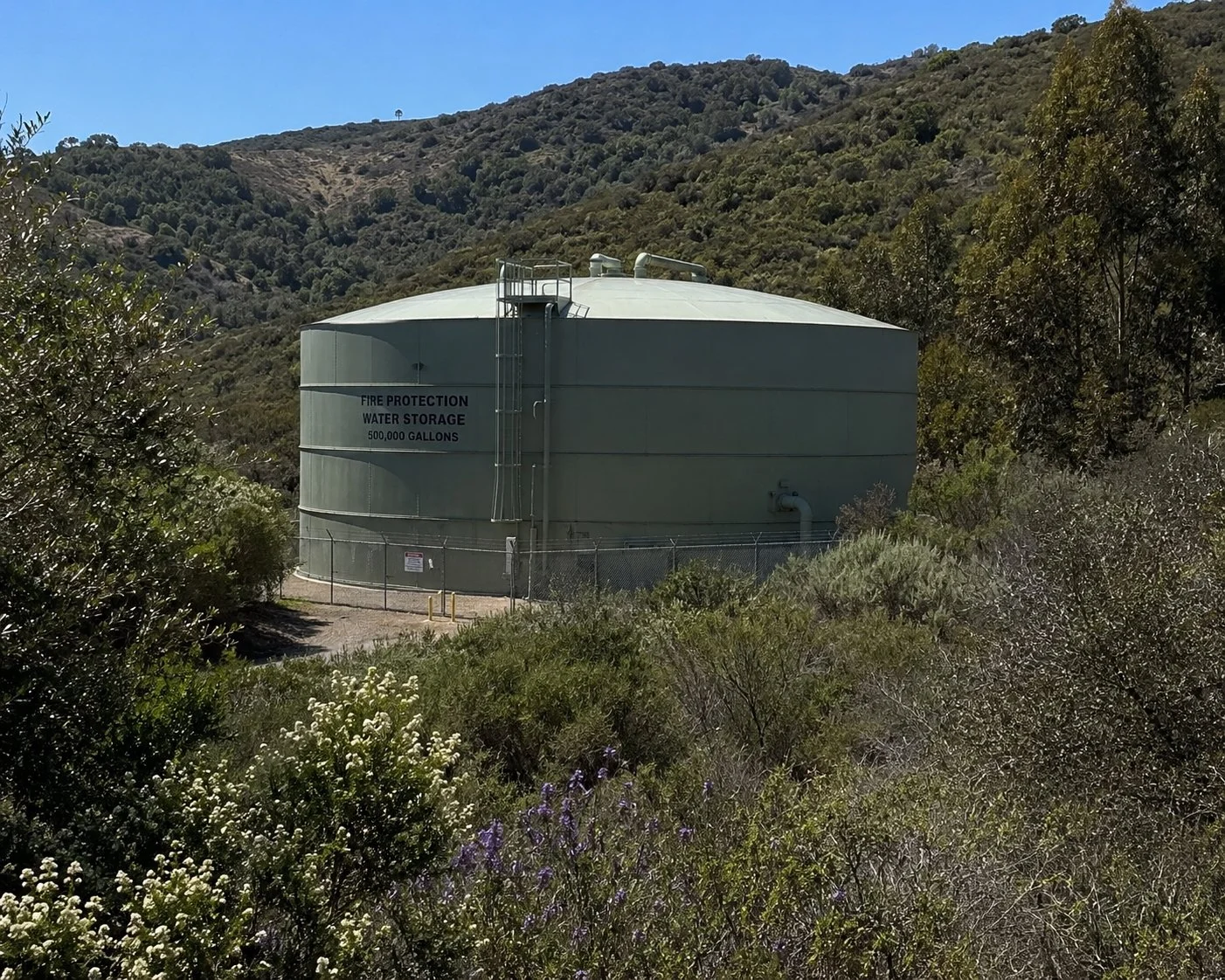
Fortify Critical Water Storage Access at Miguelito Canyon Bridge
The Lompoc Fire Department has a robust water delivery system for firefighting, which pulls water from wells, plus 4 storage tanks located throughout the region.
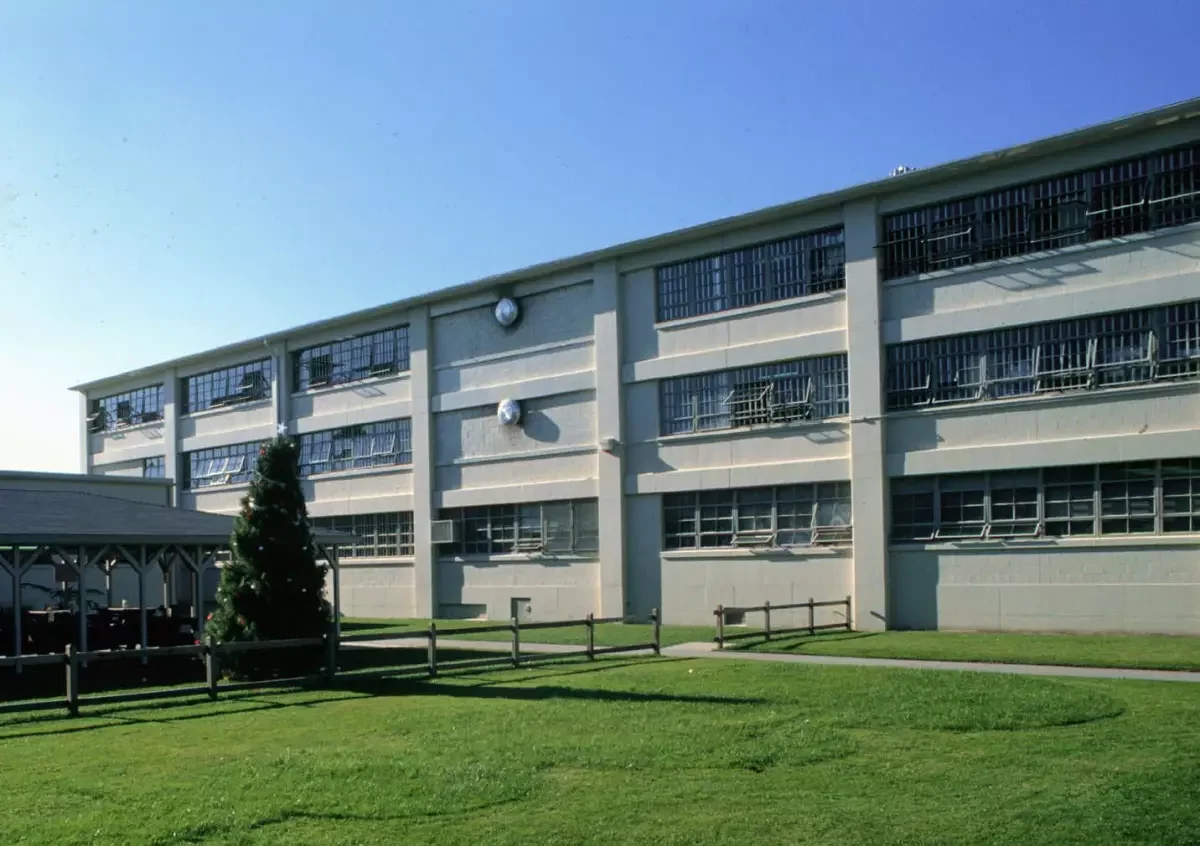
Equipment and Training/Certification for Vegetation Treatment/Fire Mitigation at Lompoc Prison
The Lompoc Prison, with its location next to Vandenberg SFB and other key areas, is an important partner in the fire resilience landscape for the Lompoc area.

Regional Plan for Housing Authority Facilities for Structure Hardening & Flammable Vegetation Mgmt.
The Housing Authority wishes to consider a regional assessment of the properties they manage to consider the needed upgrades for the properties they own.
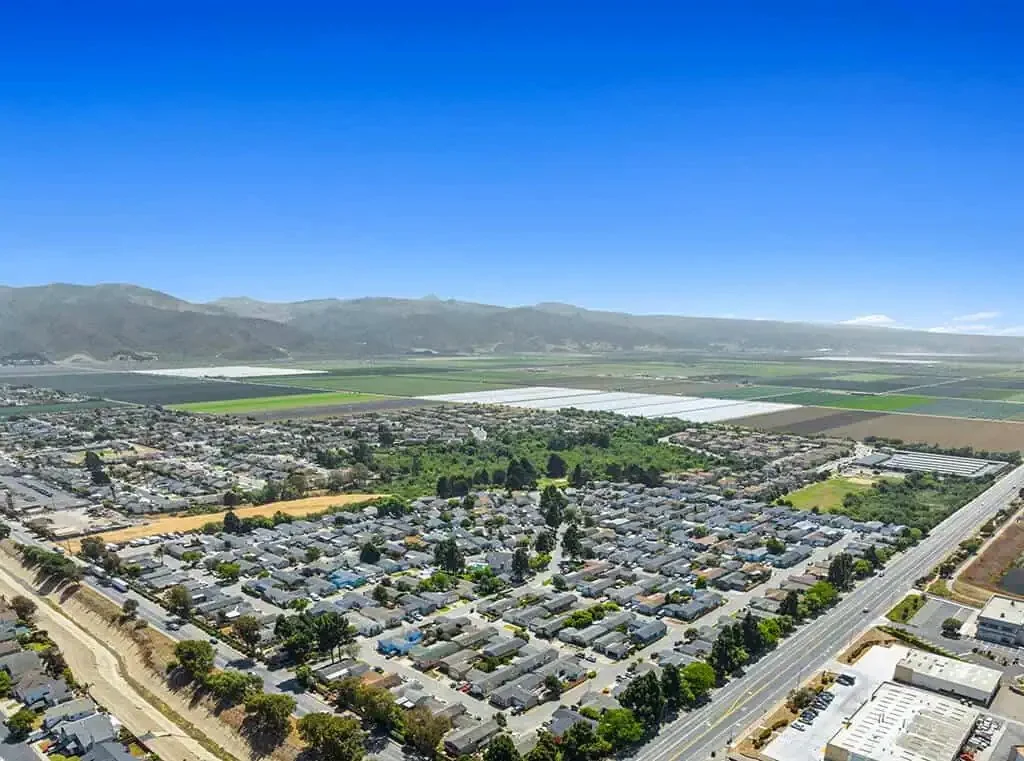
Home Hardening Fund for Lower Income residents in High Fire Risk Areas of Lompoc Valley
There is a need to help homeowners prepare their homes for wildfire, particularly for lower income residents in vulnerable areas who lack resources or know how.
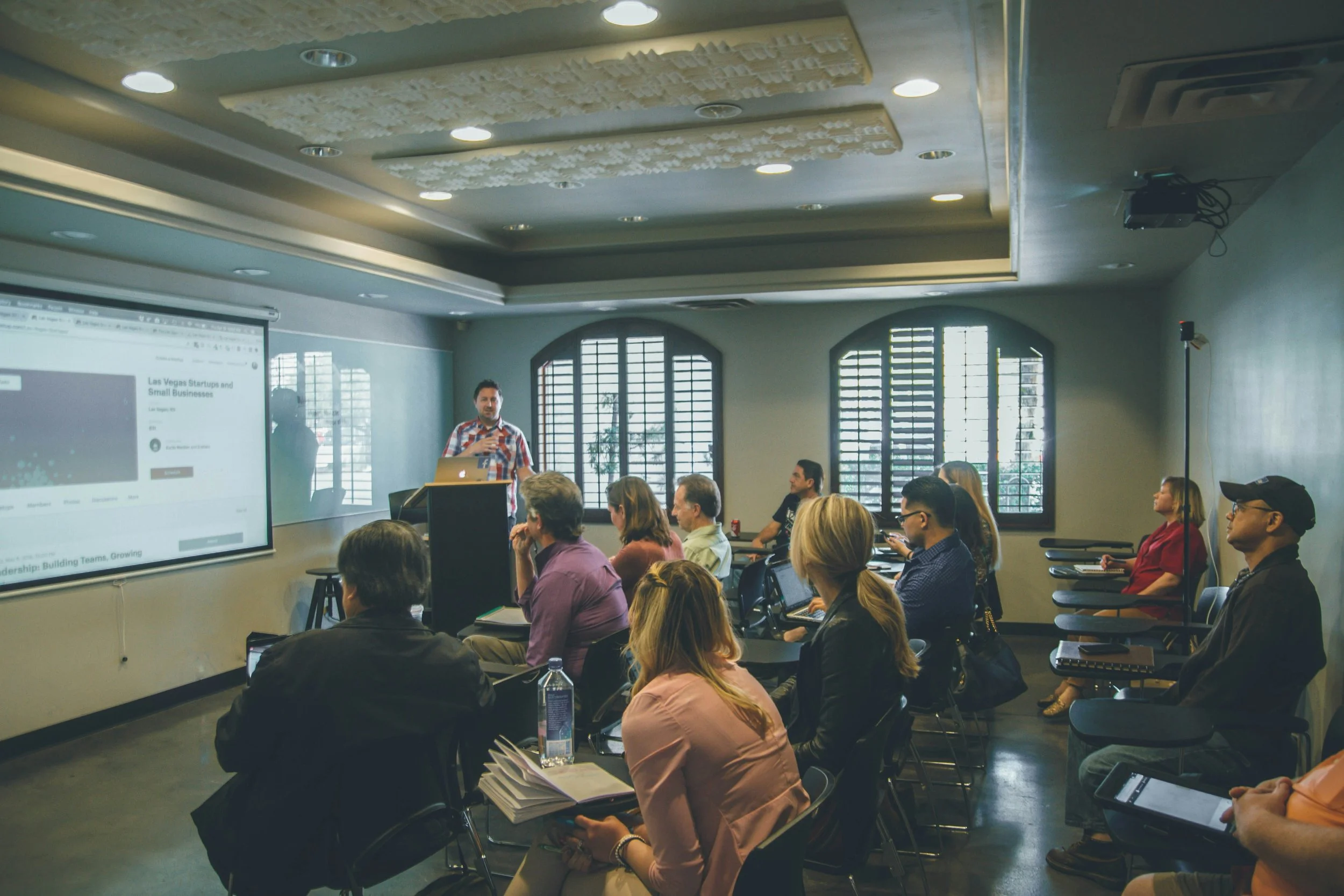
Create a Community Benefit Institute for Regional Landscape Support for Workforce and Fire-related Training
The creation of a regional non-profit for learning opportunities that could also support workforce development is a project that would create community and enhance landowner partnerships.
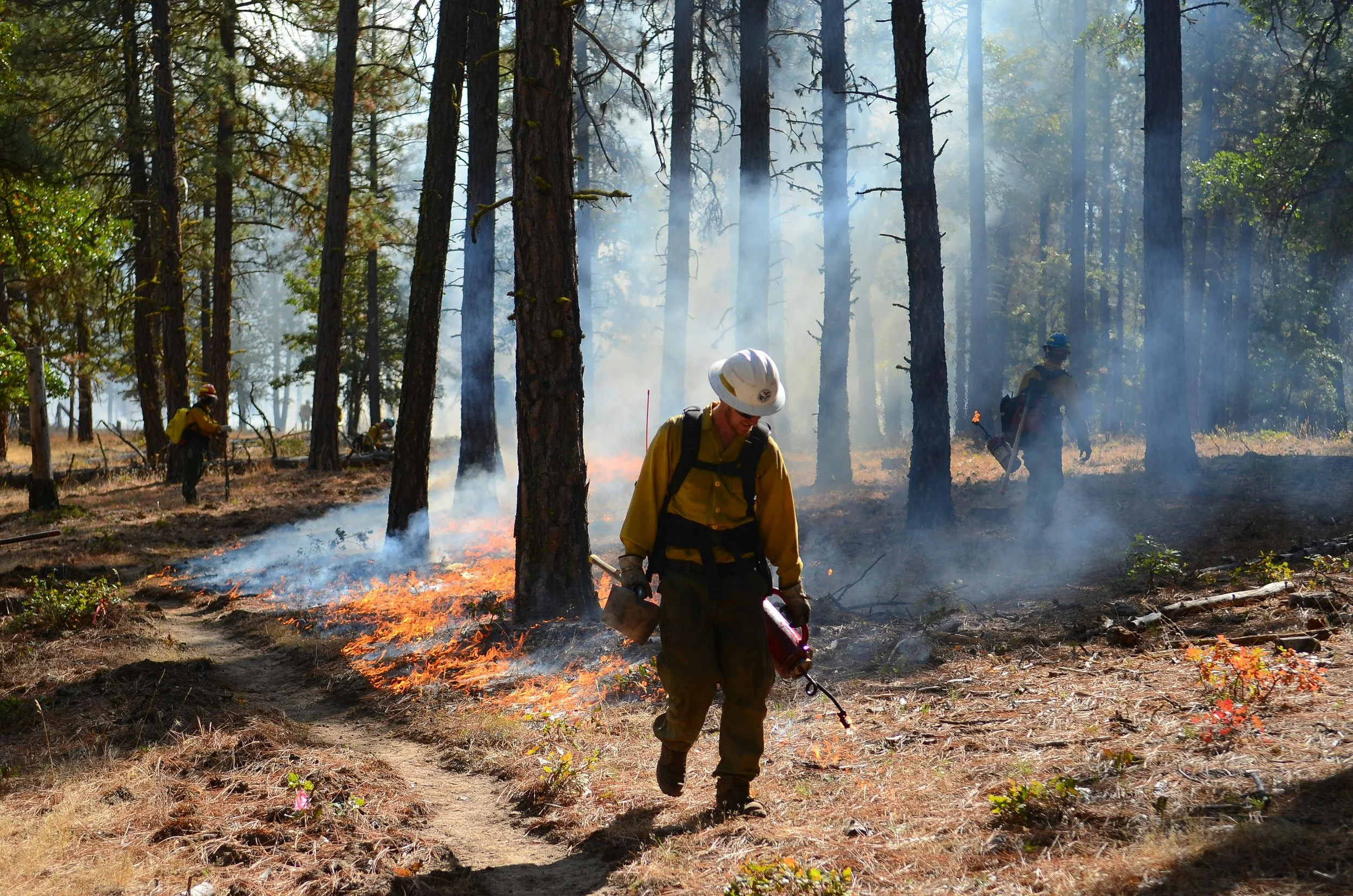
Develop the Wildfire Resilience Workforce
Santa Barbara Communities, such as Lompoc, lack the necessary workforce to implement fuel reduction, prescribed burns and other preventative measures.
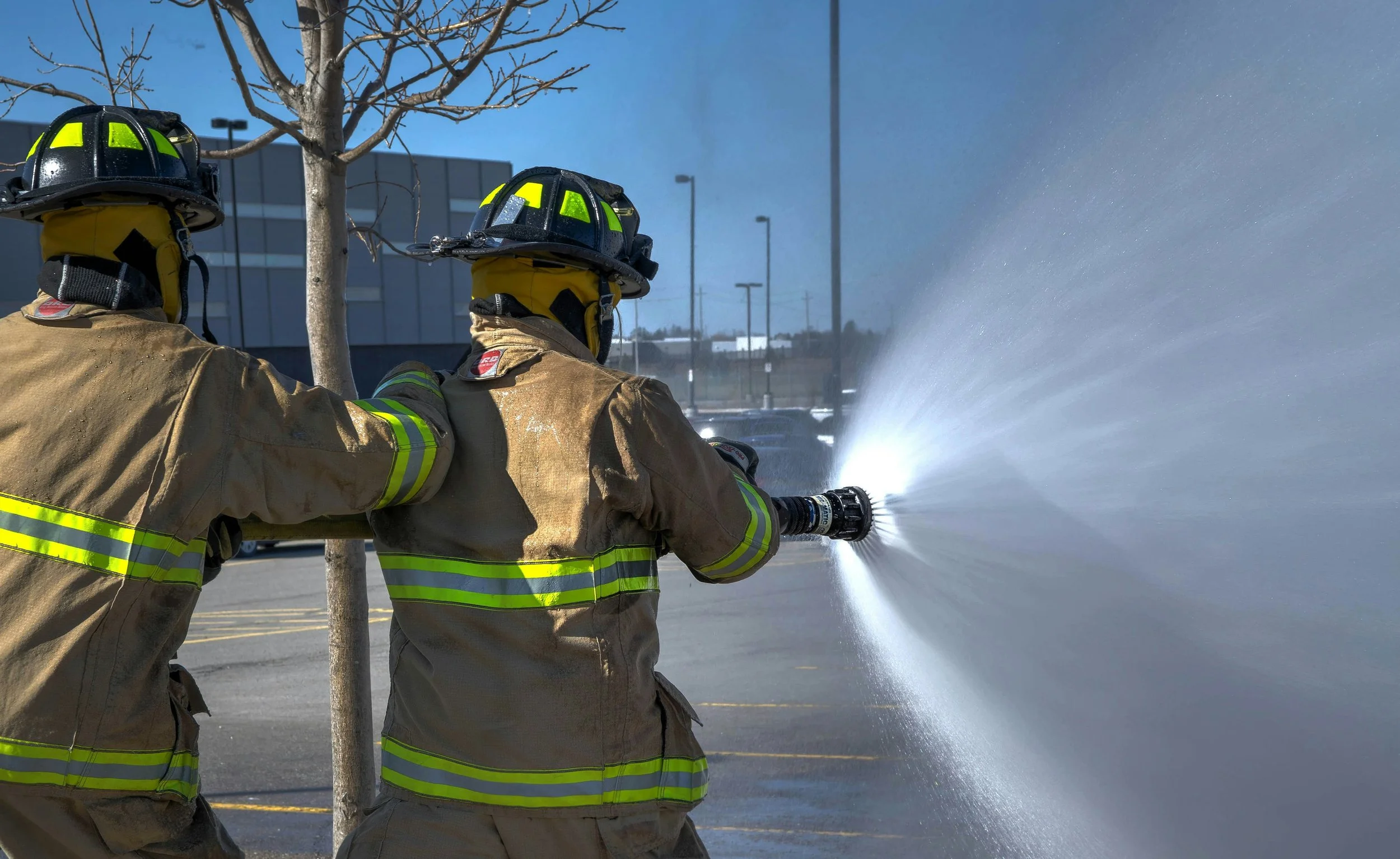
Develop Water Sharing MOUs to Create Redundancy for Firefighting Water Supply
New development standards and zoning are important tools to ensure future residential development and growth is not in harms way of wildfire and flooding, or impacting sensitive biological resources.

Create Zoning & Development Standards for High Fire and Flood Areas in Lompoc
New development standards and zoning are important tools to ensure future residential development and growth is not in harms way of wildfire and flooding, or impacting sensitive biological resources.

Community-based Organization Disaster Coordination Plan & Capacity Support
Develop a plan with identified roles for key CBOs to be activated before, during and after disasters to assist and coordinate with emergency response agencies.

Improve Communication Infrastructure & Information Sources for Lompoc Valley
Assess communication infrastructure needs and develop public/private partnerships for more robust news and information networks.
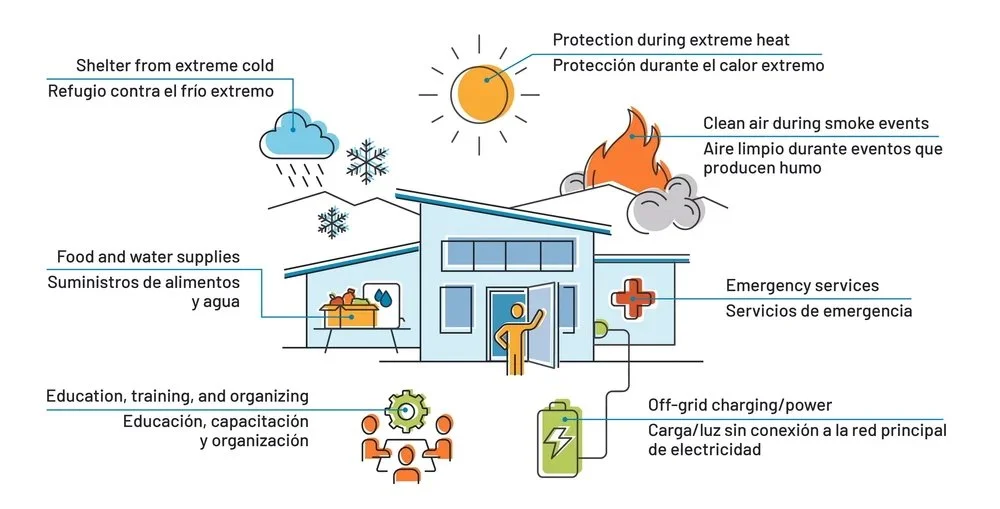
Establish Community Resilience Hubs
Resilience hubs promote community preparedness, well-being and trust-building and connect residents to resources and services before during and after a natural disasters or disruptions.
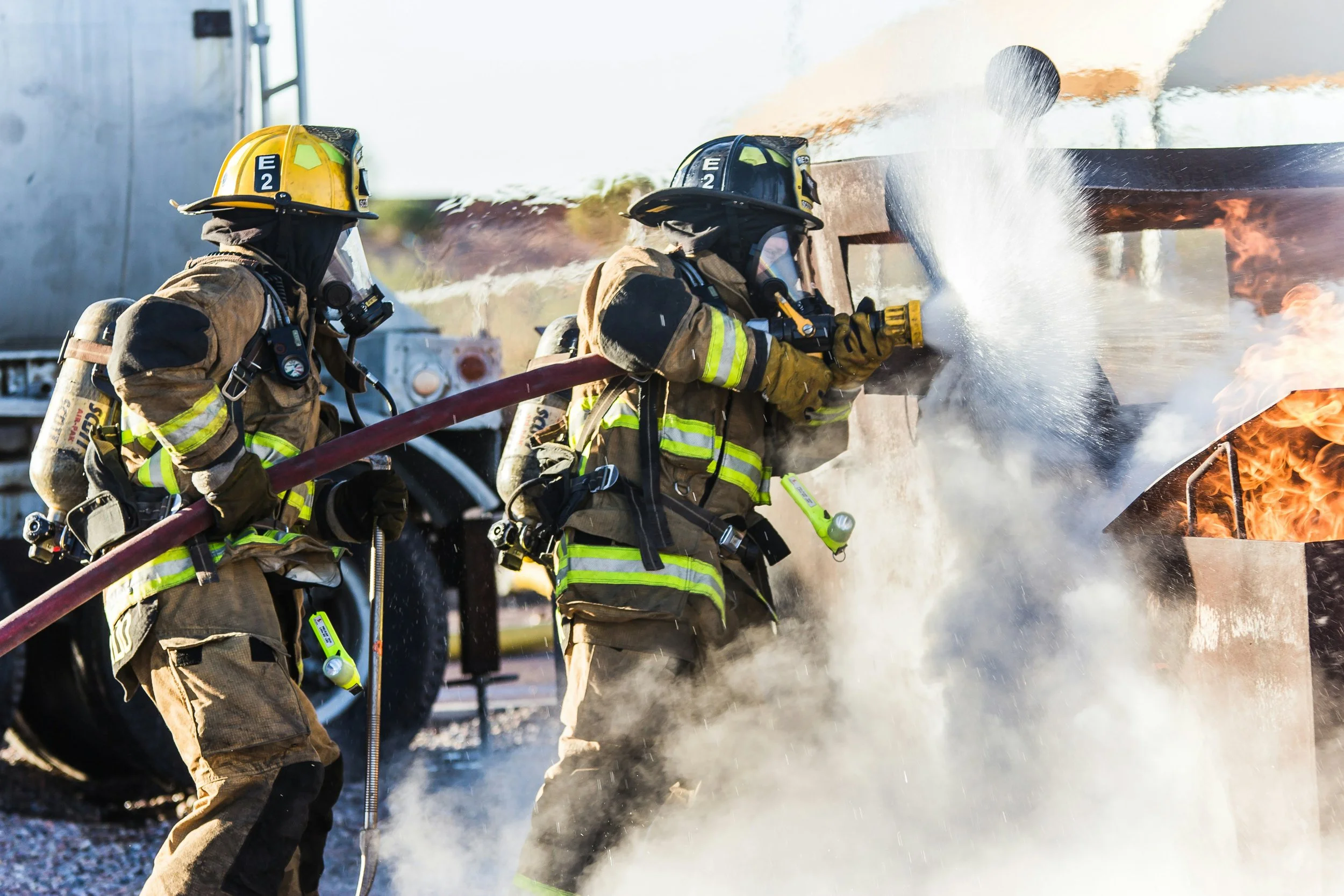
Increase Lompoc's Fire Response Capacity
Wages for firefighters and safety personnel are often lower in small rural communities, like Lompoc, making it difficult to hire and retain staff and maintain moral. This can be a barrier to adequate fire response.
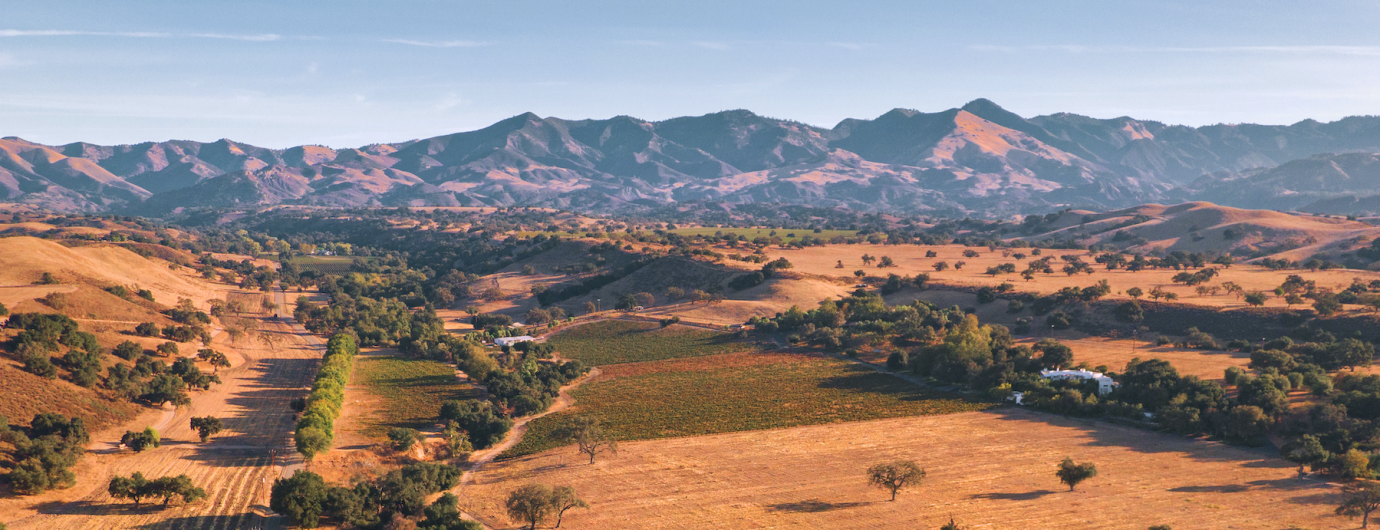
Large Landscape Scale Fire Risk Reduction Planning and Coordination in North County
There are a number of efforts occurring across large landscapes in North Santa Barbara County that could be synergized and woven together for increased impact and holistic wildfire risk reduction and habitat improvement, resulting in increased impact.
Activities will include capacity building, partnership development, and coordination to advance and integrate strategies for fire resilience and align and advance priorities with those of the adjacent communities.

Creating a Collaborative Resourcing Team: Maintaining Opportunity Matrix and Getting Projects Shovel Ready
This project opportunity matrix and the RPP site are valuable community assets, but the information herein represents a snapshot of needs at this point in time and is not exhaustive. Building wildfire resilience in Santa Barbara County needs to be an ongoing proactive process. As identified projects are implemented, new needs and opportunities will emerge on an ongoing basis and need to be added to the Opportunity Matrix. The RPP team recommends a focused effort to create a Collaborative Resourcing Team that includes representatives from multiple agencies, nonprofits and funders to further develop these key pieces of our resilience system and then to maintain and put them to use.
LAFCO Regional Planning
LAFCO is seeking to develop a regional strategy for growth in the County through a planning effort with partners and cities.

Wildfire Resilience Summit
Create a regularly occurring opportunity for cross sector sharing learnings and collaborating on potential policy, actions and projects.
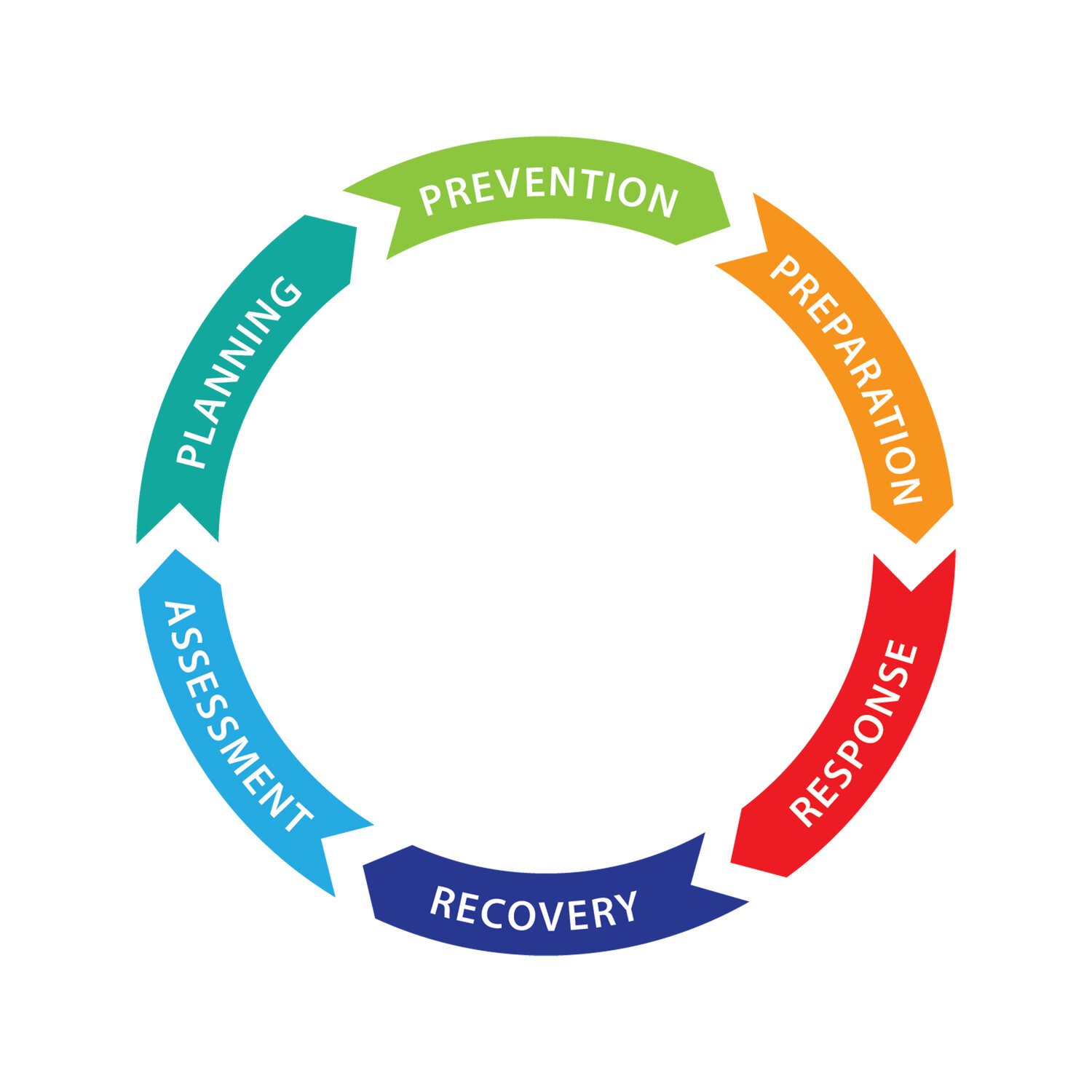
Resilience Cycle Capacity Building
Build County wide capacity to cover all components of the resilience cycle: a) prevention, b) community preparedness, c) community organizing, d) short term relief, e) long term relief f) recovery and g) rebuilding and planning, in a way that reduces vulnerability. Identify and implement the best practices for resilience cycle action, understanding that we need to always be preparing for the next disaster.

Fire Recovery: Creating a Fire Resilient Landscape
Develop a replicable framework for creating a fire-safe landscape with healthy ecological function in post-fire recovery areas …