
Firewise Designation in Lompoc Neighborhoods through HOAs
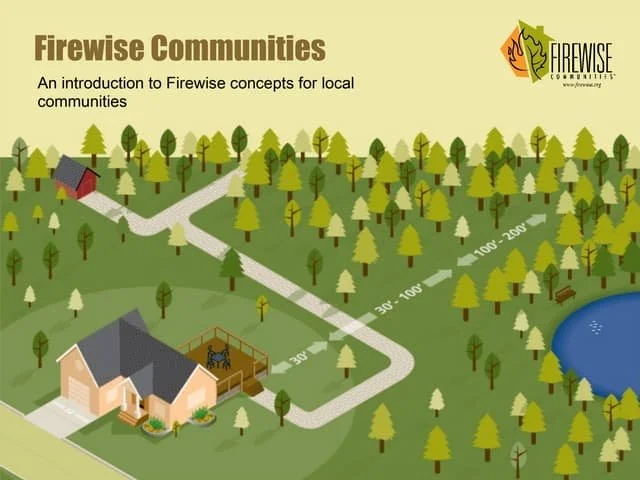
Firewise communities have become an important way to galvanize neighborhoods around the need to protect their homes and neighborhoods from the threats of catastrophic wildfires.
Vulnerable Population Inventory and Program Assistance Needed During Emergencies
During a disaster, vulnerable populations are often disproportionately impacted. Planning before an incident ensures that response and recovery operations are inclusive of the whole community and that these populations do not suffer disproportionate impact.
Map Critical Infrastructure and High Fire Risk Residential Areas for Vegetation Management & Targeted Education
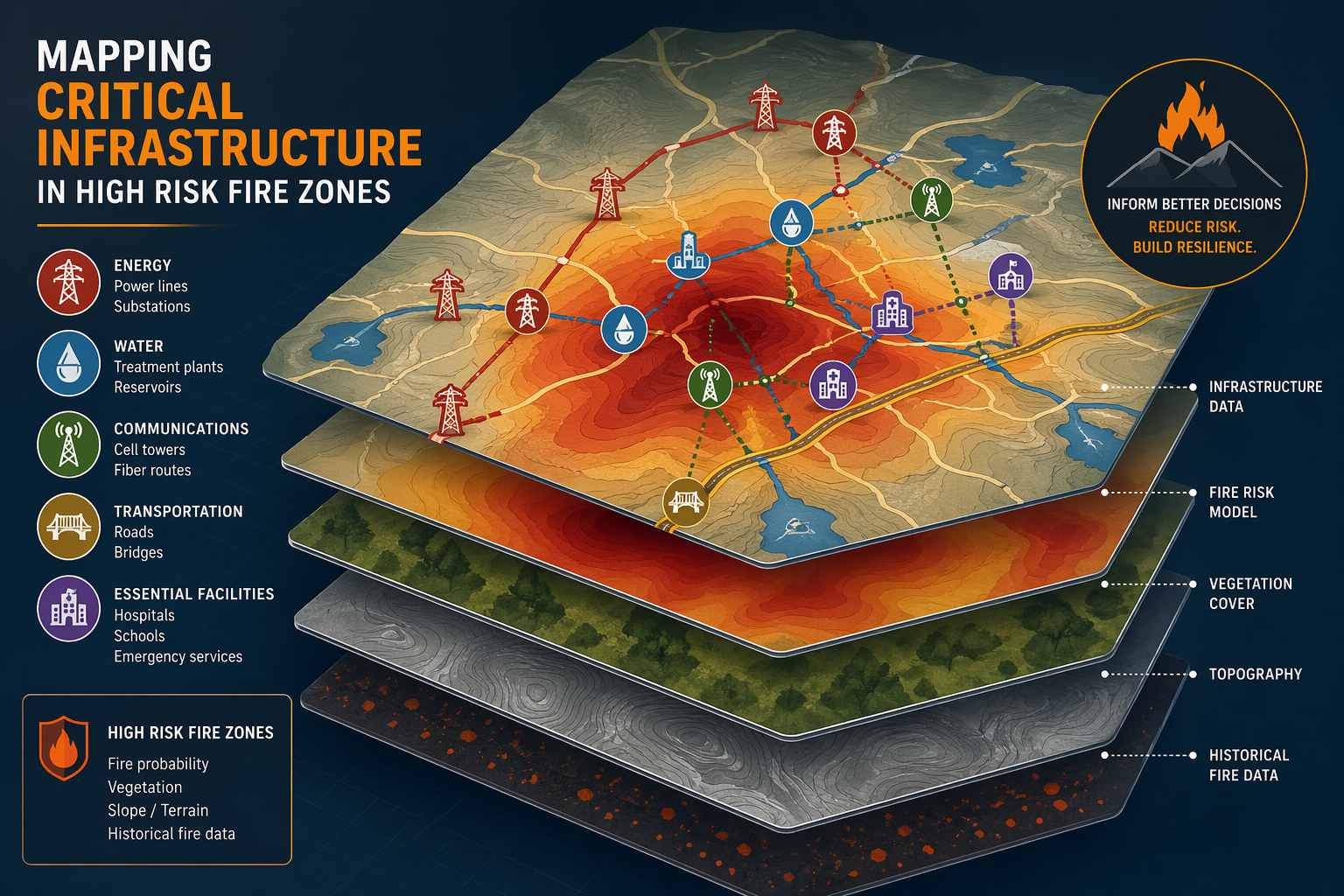
Mapping of critical infrastructure to identify where vegetation clearance is most needed would assist in prioritizing the city's work to protect water supply, bridges and other key elements.
Homeless Encampment Management in SYR Floodplain
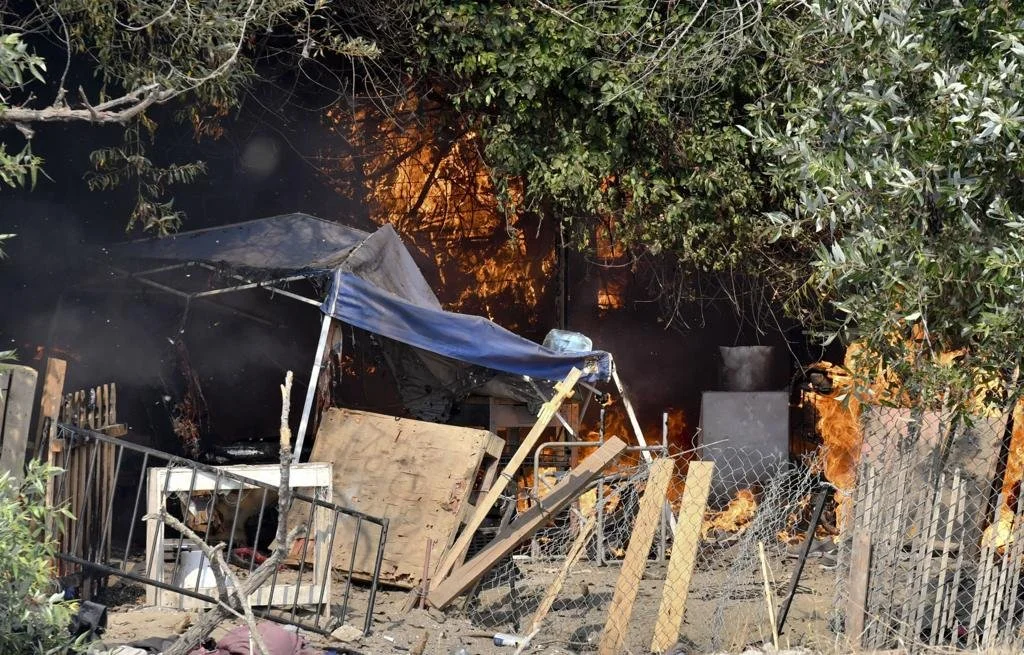
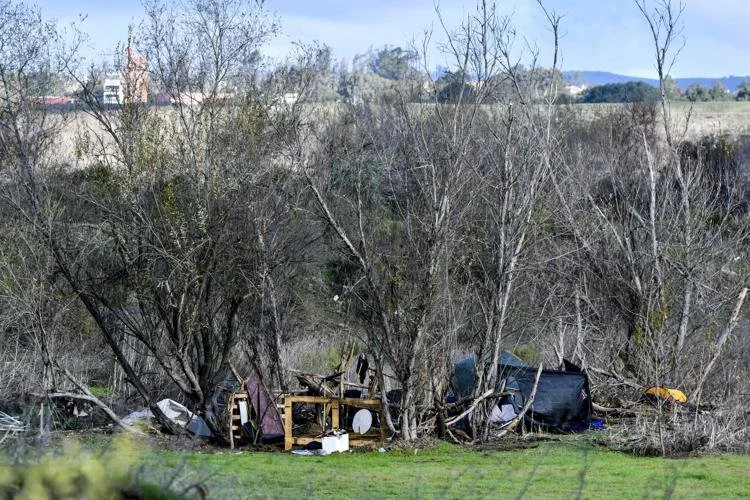
Ongoing homeless encampments in the Santa Ynez riverbed present a fire risk as areas that have been identified as “very high” and “high” fire risk severity zones by CalFIRE.
Vegetation Management in Santa Ynez Riverbed
Healthy riparian corridors with unimpaired hydrology are natural fire breaks, with well watered vegetation acting to catch and extinguish embers and dampen fire advancement. Unhealthy riparian corridors choked with non-native vegetation can have the opposite effect, acting as conduits for fire entering into WUI areas adjacent to development.
Home Hardening Assistance and Training Program for Lower Income Communities
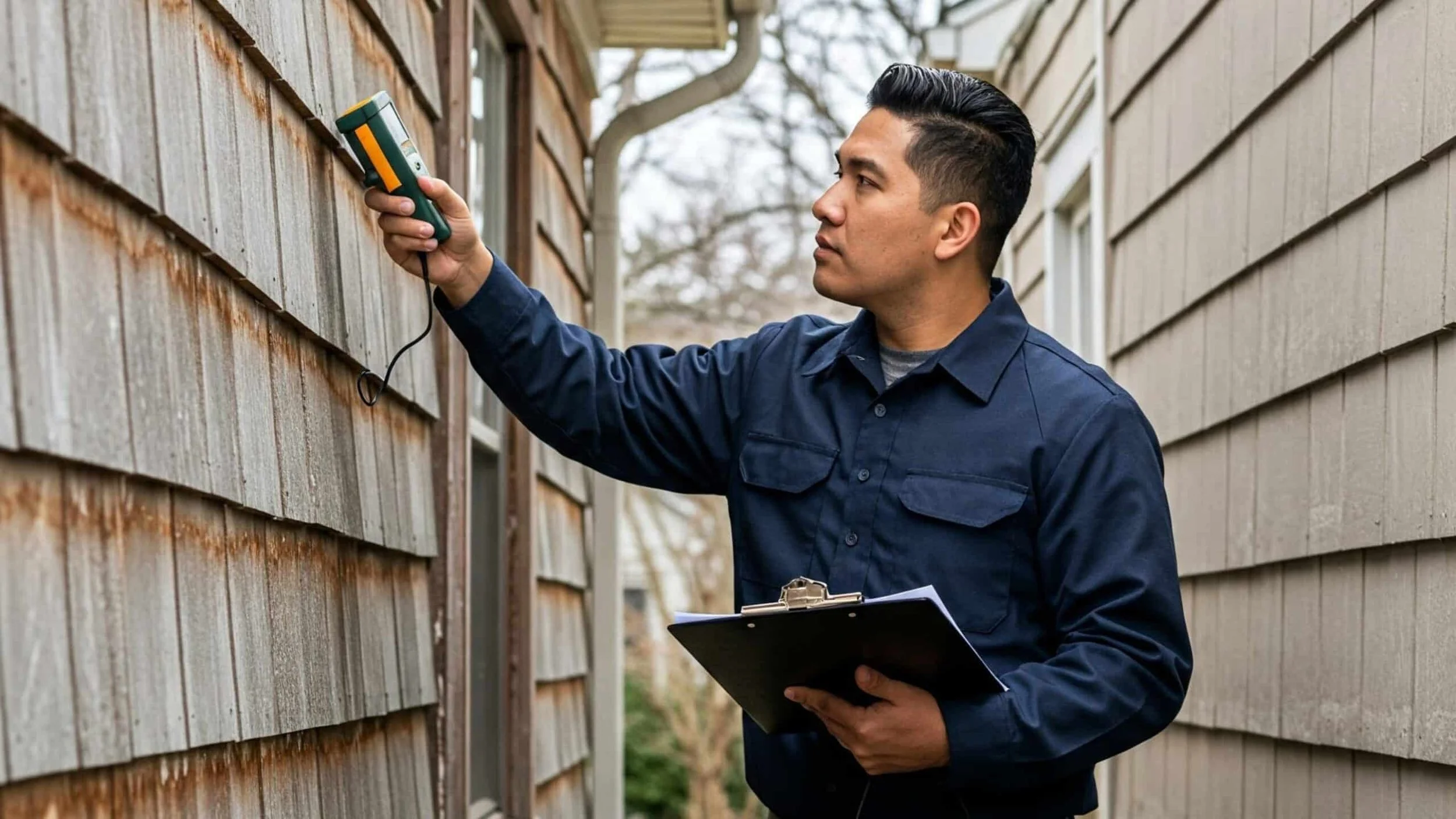
There is a need for financial and logistical assistance to undertake home hardening in Lompoc. While there is ample information available to assist property owners (and renters) with preparing their residence to remain safe from fire, there are no funds to support this work, and no locally trained workers who can complete the upgrades.
Lompoc Area Convening of Large Landowners
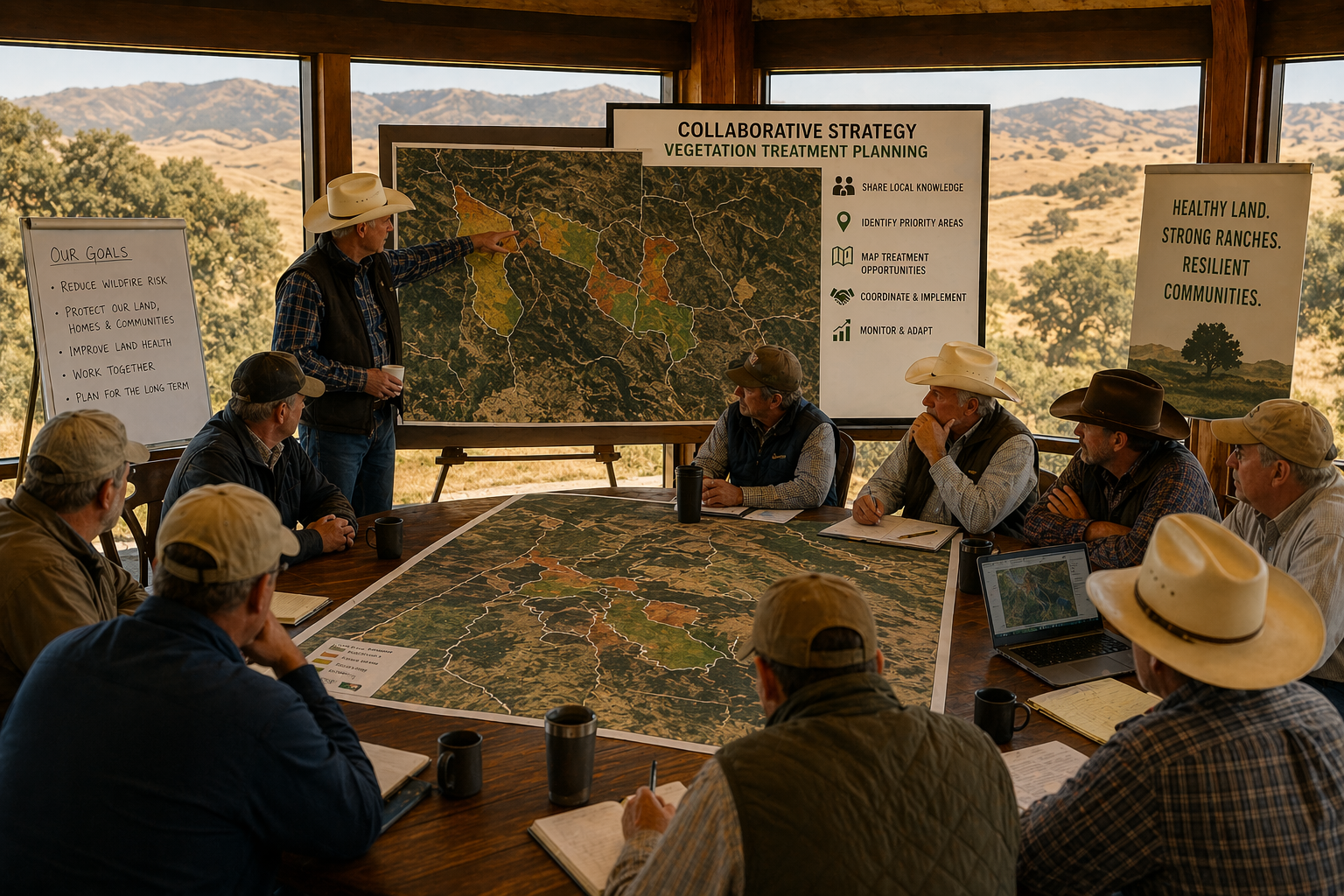
Owners and land managers of large ranches along the Hwy 1 corridor in the Lompoc Valley have expressed a need for prescribed burns, removal of highly flammable trees, and other landscape treatments including prescribed grazing and restoration to reduce fire risk and ensure productivity and health of their lands.
Chumash Resilience Hub & Network Planning
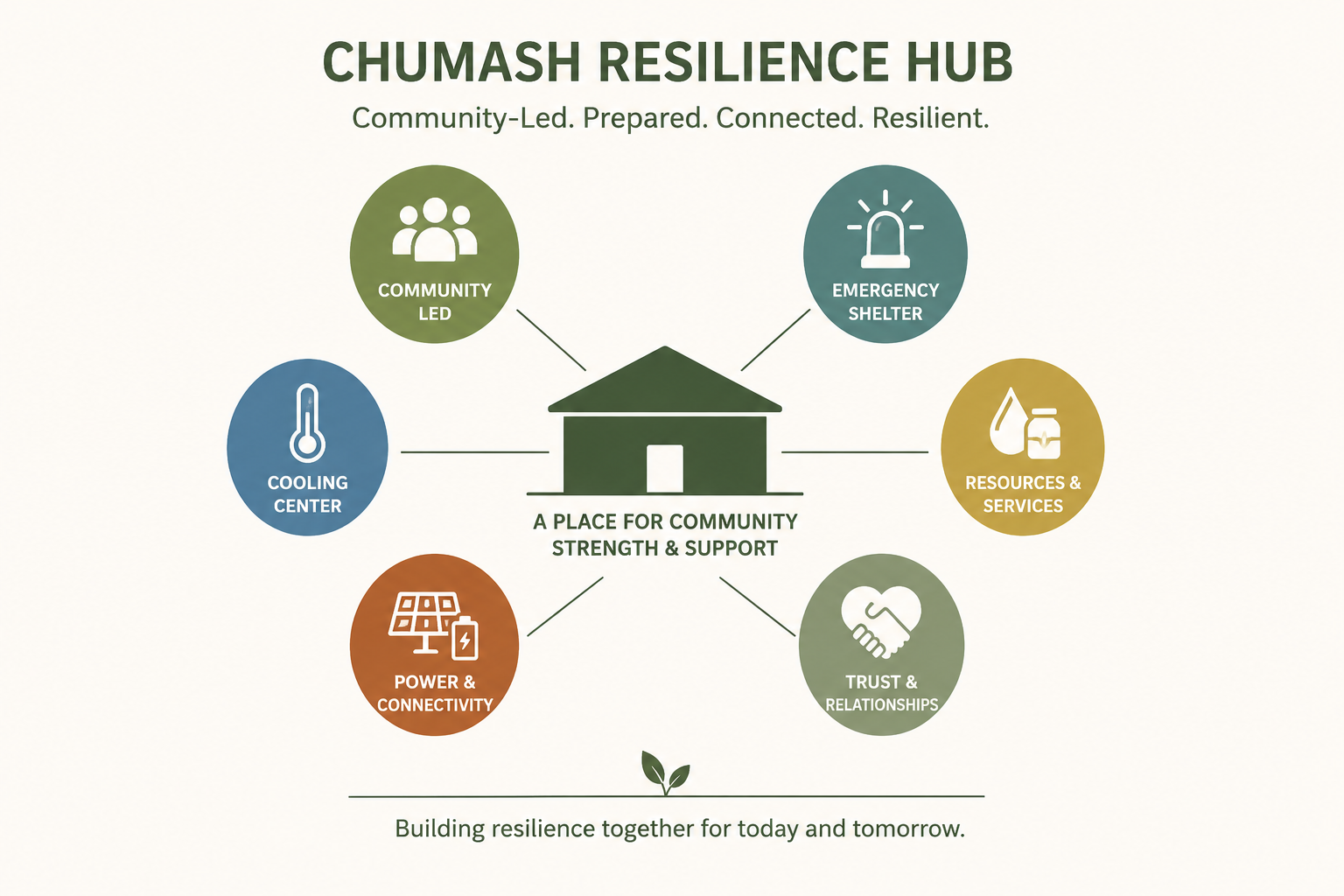
Chumash community members living in the Lompoc area have expressed a need for an Indigenous-led and focused resilience hub and linked networks for communication and coordination among Chumash residents.
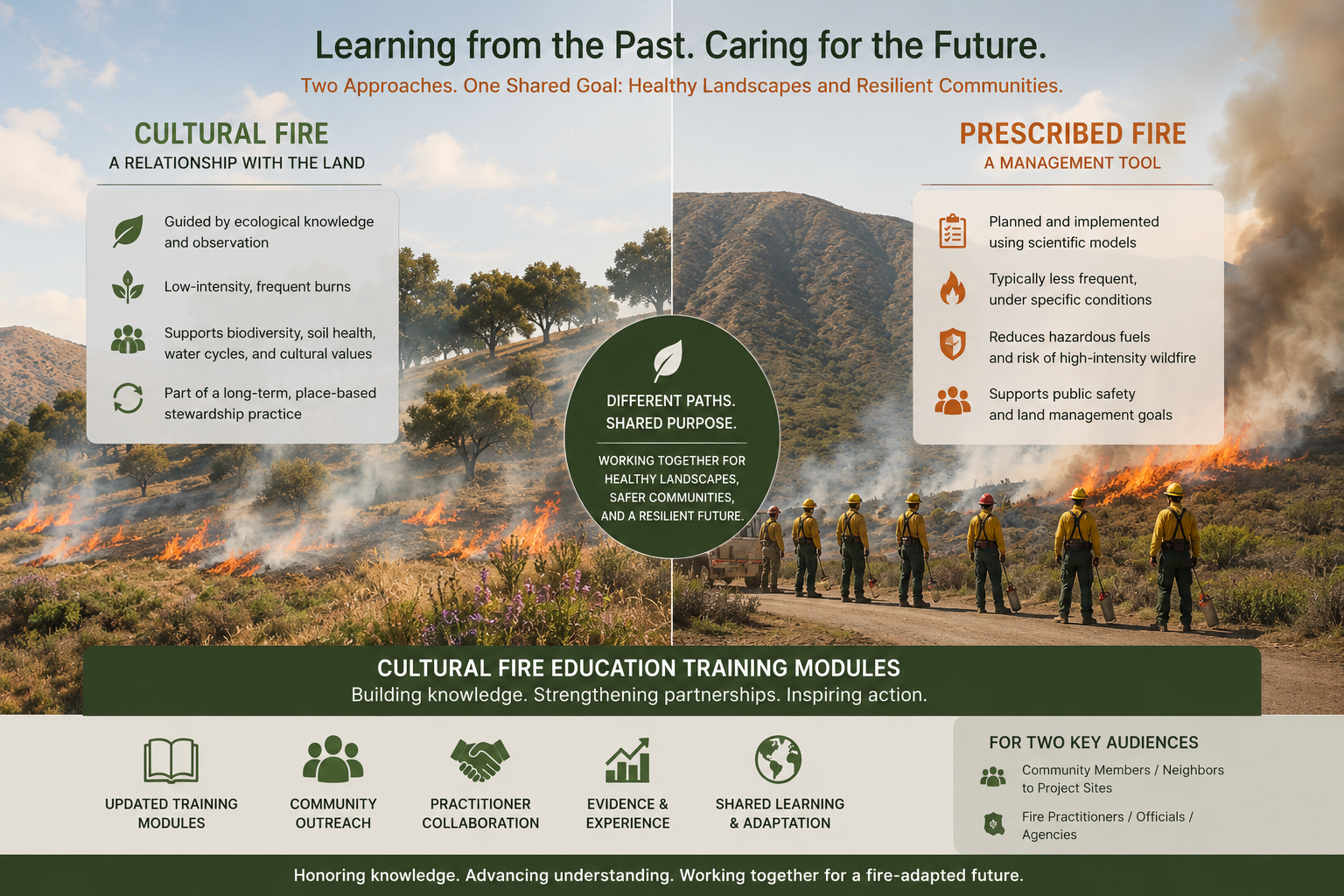
Cultural Fire Education Training Modules for Burn Bosses and Educational Forum
Chumash peoples have developed an internal training module series to educate their burn bosses and those who are working in the "good fire" and cultural fire realm.
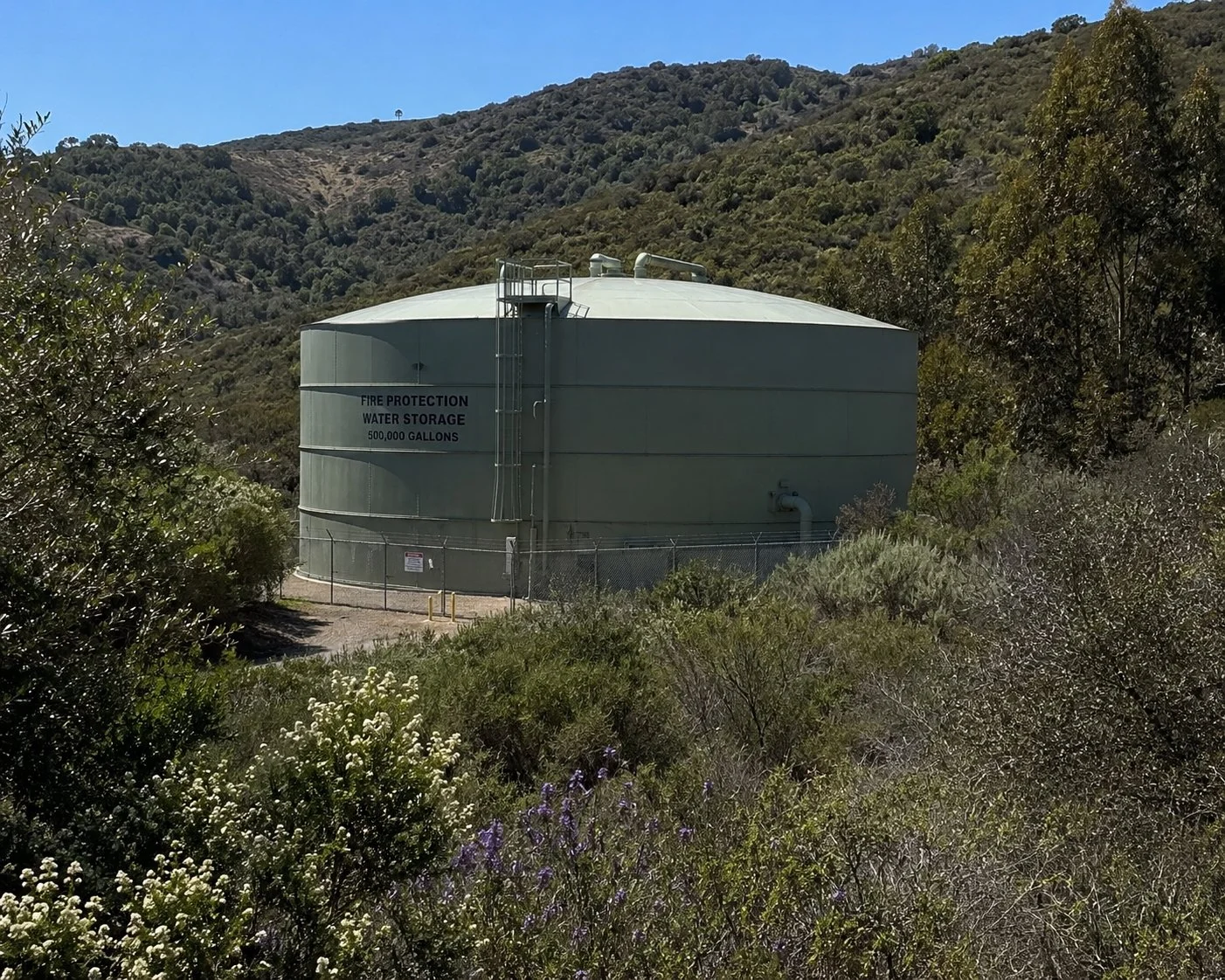
Fortify Critical Water Storage Access at Miguelito Canyon Bridge
The Lompoc Fire Department has a robust water delivery system for firefighting, which pulls water from wells, plus 4 storage tanks located throughout the region.

Enhance Language & Cultural Accessible Wildfire Preparedness Education
During discussions with the various partners who deal with communities that may not speak English as their first language, a need to provide materials related to fire resiliency in various languages was identified.

Regional Plan for Housing Authority Facilities for Structure Hardening & Flammable Vegetation Mgmt.
The Housing Authority wishes to consider a regional assessment of the properties they manage to consider the needed upgrades for the properties they own.
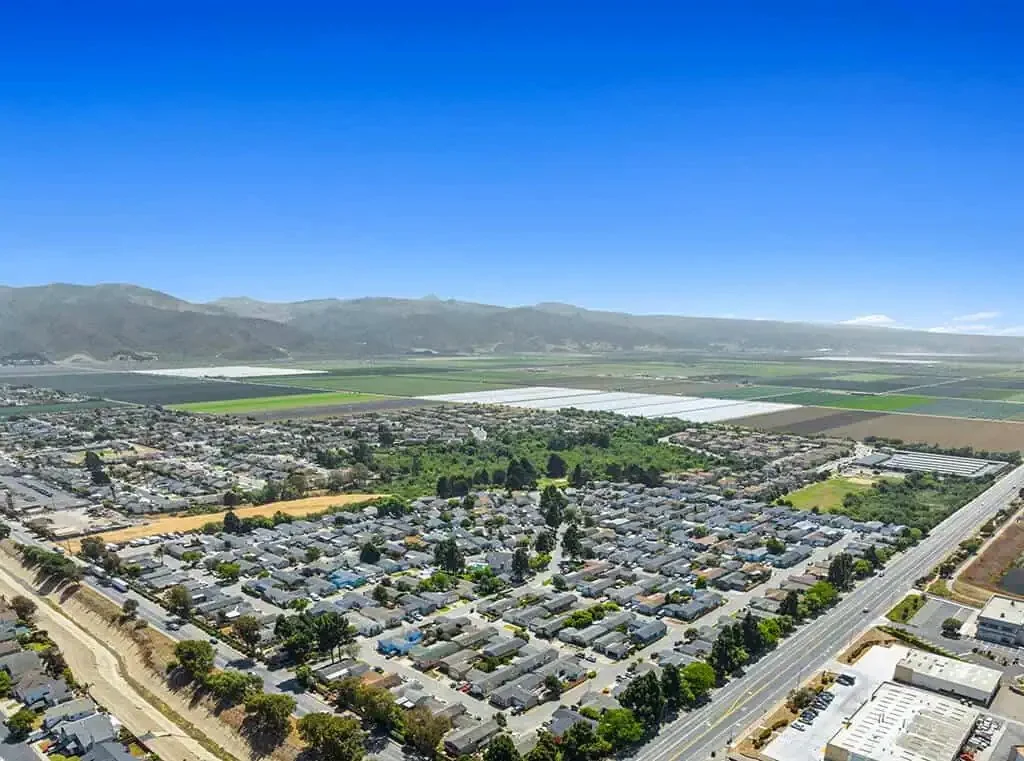
Home Hardening Fund for Lower Income residents in High Fire Risk Areas of Lompoc Valley
There is a need to help homeowners prepare their homes for wildfire, particularly for lower income residents in vulnerable areas who lack resources or know how.
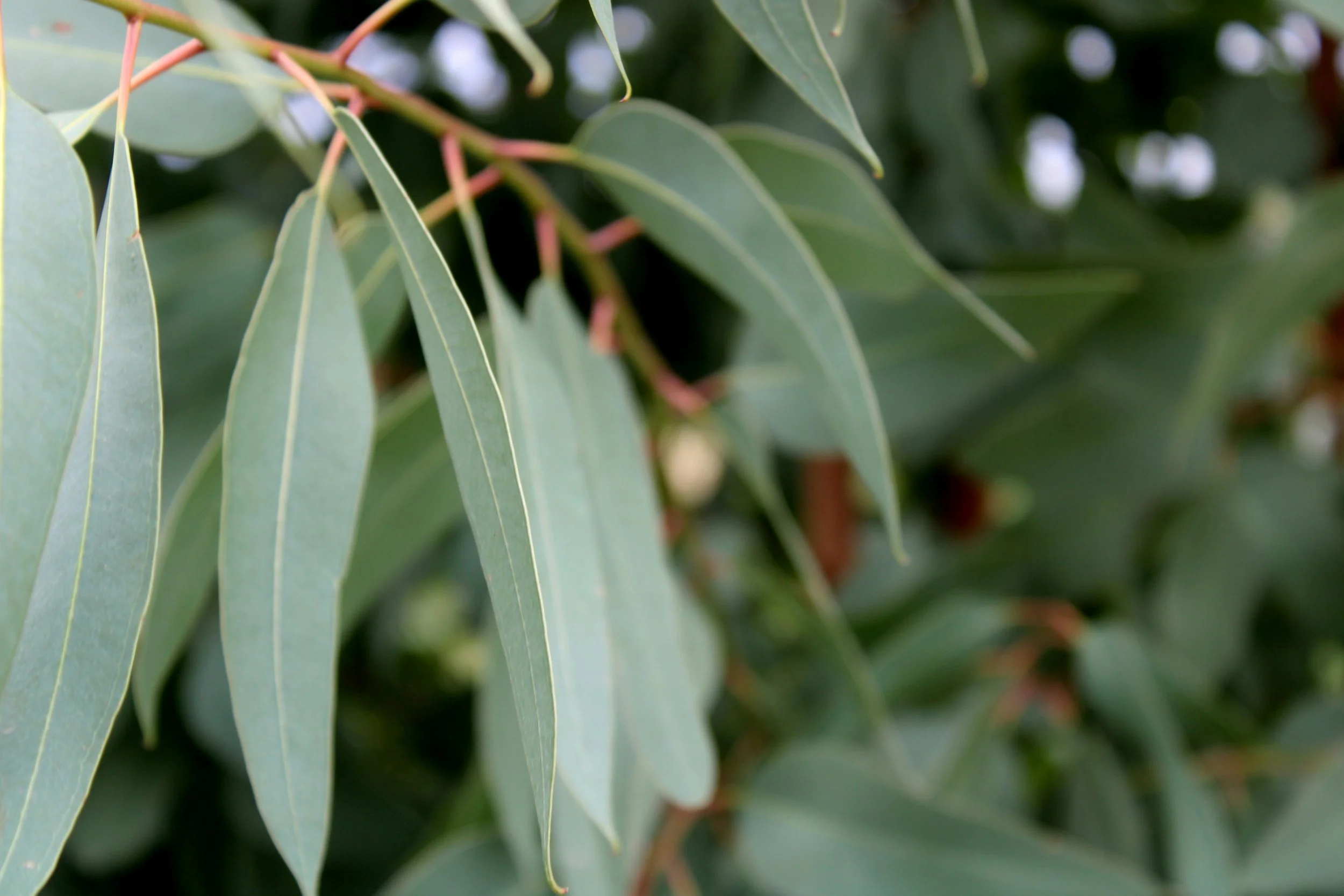
Identify and Map Flammable Invasive Plant Species Across Large Land Holdings
The mapping of eucalyptus trees on large ranches (which has been identified as a source of concern for fire ignition) would help to reduce fire risk throughout the region.
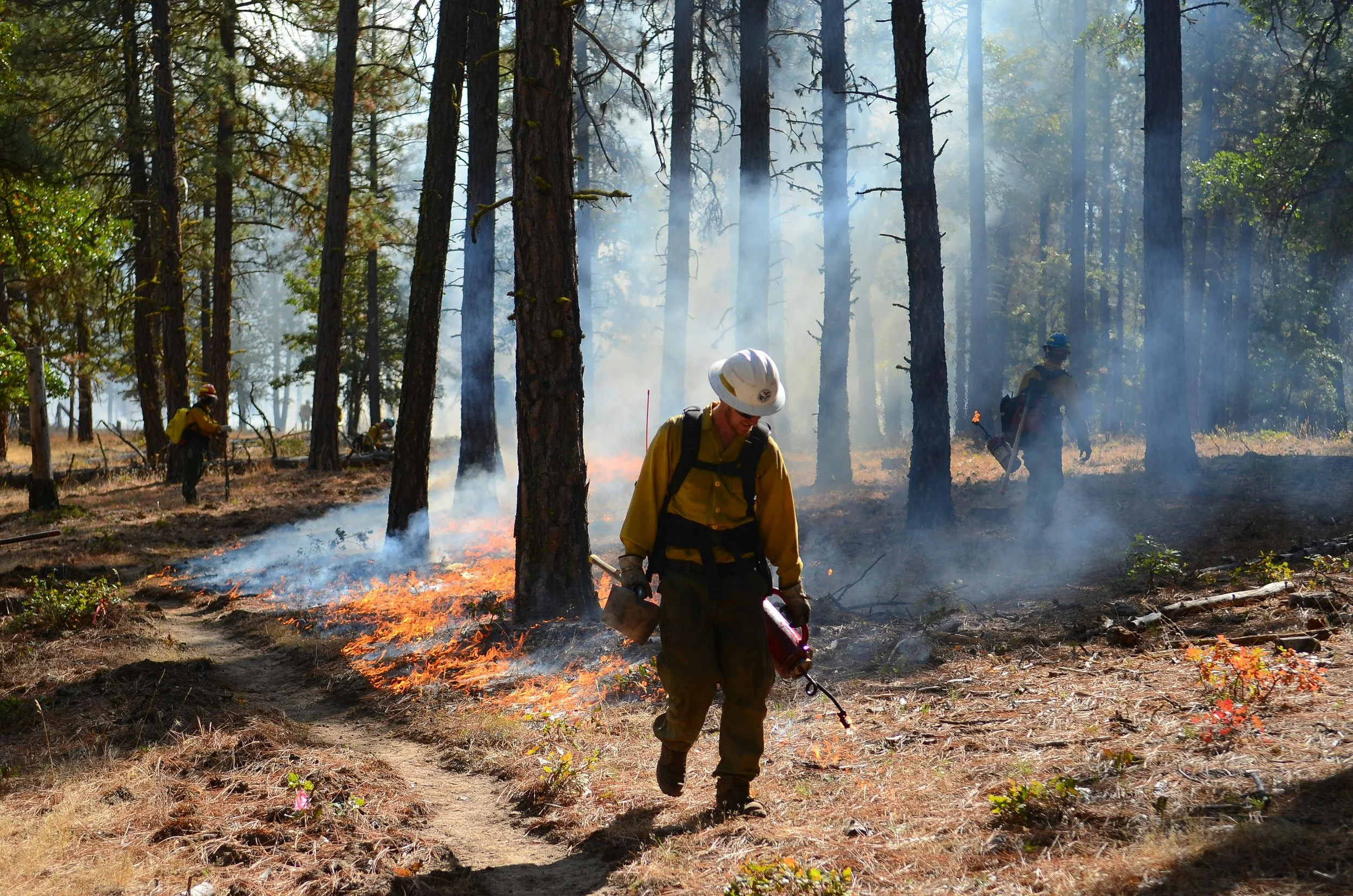
Develop the Wildfire Resilience Workforce
Santa Barbara Communities, such as Lompoc, lack the necessary workforce to implement fuel reduction, prescribed burns and other preventative measures.
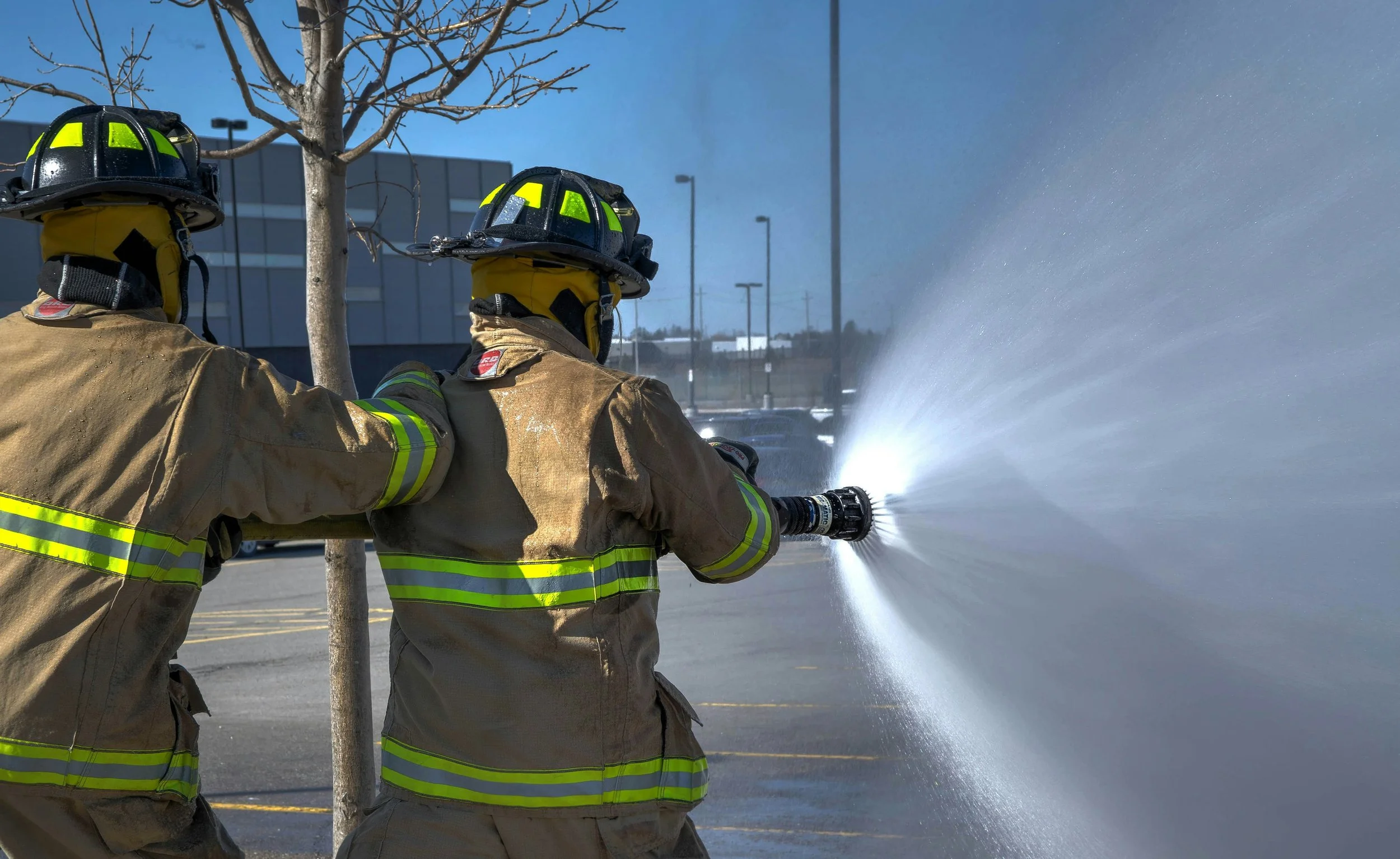
Develop Water Sharing MOUs to Create Redundancy for Firefighting Water Supply
New development standards and zoning are important tools to ensure future residential development and growth is not in harms way of wildfire and flooding, or impacting sensitive biological resources.

Create Zoning & Development Standards for High Fire and Flood Areas in Lompoc
New development standards and zoning are important tools to ensure future residential development and growth is not in harms way of wildfire and flooding, or impacting sensitive biological resources.

Community-based Organization Disaster Coordination Plan & Capacity Support
Develop a plan with identified roles for key CBOs to be activated before, during and after disasters to assist and coordinate with emergency response agencies.
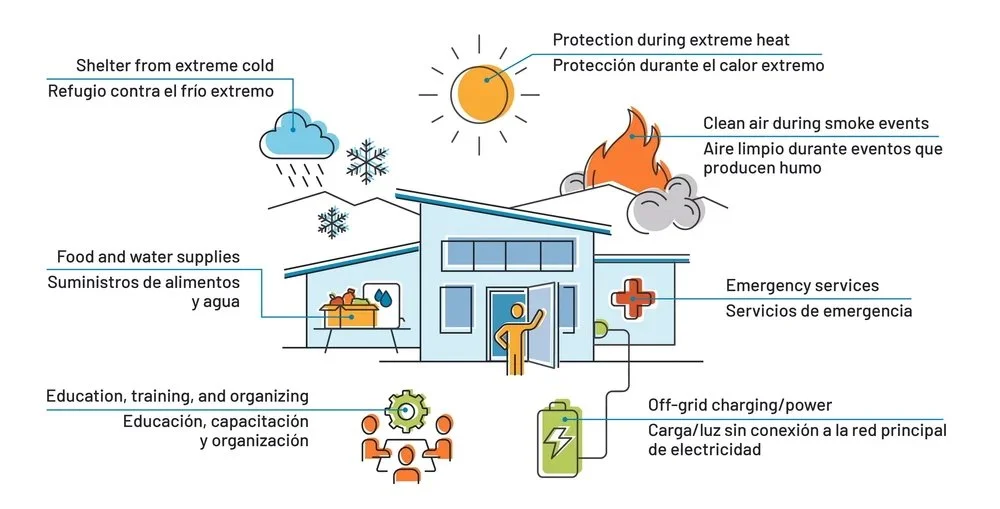
Establish Community Resilience Hubs
Resilience hubs promote community preparedness, well-being and trust-building and connect residents to resources and services before during and after a natural disasters or disruptions.
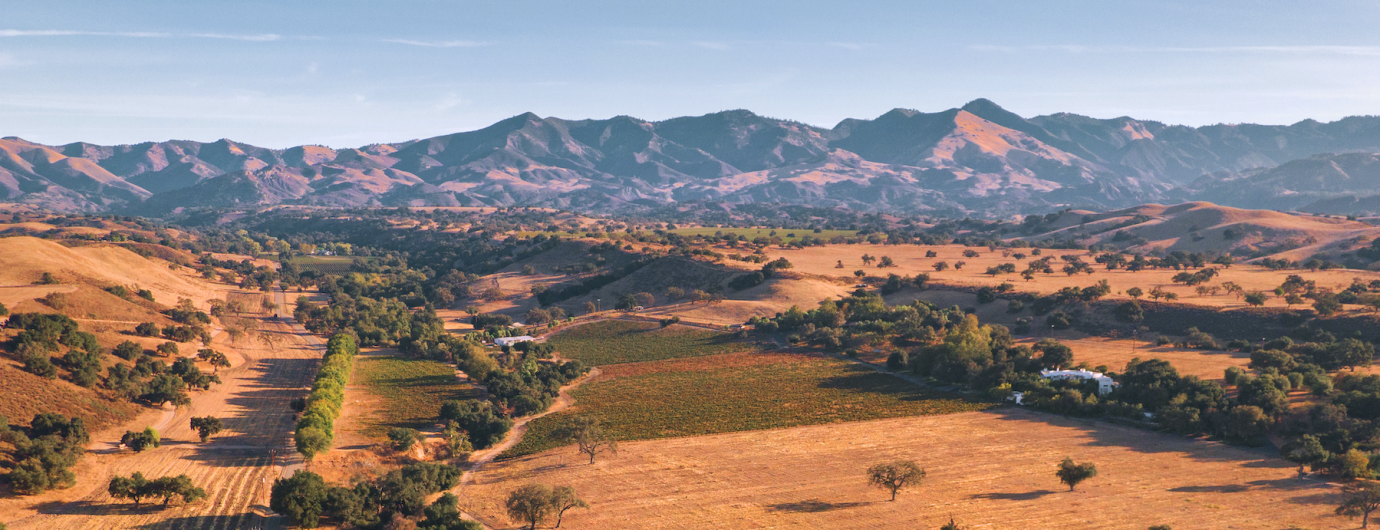
Large Landscape Scale Fire Risk Reduction Planning and Coordination in North County
There are a number of efforts occurring across large landscapes in North Santa Barbara County that could be synergized and woven together for increased impact and holistic wildfire risk reduction and habitat improvement, resulting in increased impact.
Activities will include capacity building, partnership development, and coordination to advance and integrate strategies for fire resilience and align and advance priorities with those of the adjacent communities.