

Unified Fire Prevention Project Tracking Website
Santa Barbara County Fire Department (SBCFD) serves as Santa Barbara County's Cal Fire Unit and regularly produces an Annual Strategic Unit Plan as mandated by Cal Fire that inventories the fire prevention projects SBCFD has in various stages of its planning and implementation processes.

Santa Barbara Mountain Communities Defensible Space Plan
The Los Padres National Forest (LPNF) undertook a planning effort to identify, prioritize and plan a series of fire prevention and mitigation activities to reduce the risk of wildfire to mountain communities including West Camino Cielo, Painted Cave and Rosario Park.

Community Wildfire Protection Plans (CWPPs) Where Needed Throughout the County
While several areas of Santa Barbara County benefit from the preparation of Community Wildfire Protection Plans, there are several areas of the County that do not currently have a plan that covers them.

Regional Lompoc Valley Community Wildfire Protection Plan (CWPP)
The Lompoc region has been identified as a high priority for fire prevention activities by the modeling completed by the RPP team but the region lacks a Community Wildfire Protection Plan (CWPP).

City of Guadalupe LeRoy Park Fuel Reduction
Guadalupe City leaders noted that an area next to Leroy Park and adjacent to the Santa Maria River is considered a high fire risk to nearby vulnerable population concentrations.

Roadside Vegetation Management
Roadside vegetation management is a high impact fire risk reduction activity and is needed in high fire risk areas throughout the county. The RPP team recommends engaging local fire …

Expanded Countrywide Chipping Program for High Risk WUI Neighborhoods
Reducing combustible vegetation in the immediate vicinity of homes, other buildings, infrastructure and transit corridors is one of the most effective actions available for fire risk reduction in the county.
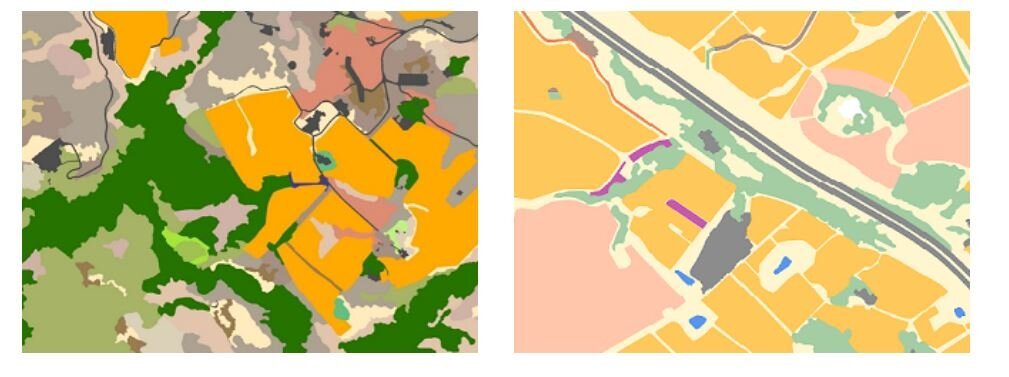
Fine Scale Mapping of Critical County Resources
A key SBC Fire Department leader shared that Santa Barbara County needs to increase the pace and scale of fine scale mapping of built and natural resources to facilitate effective planning and avoid unnecessary conflicts.

Countywide GIS Public-Private Partnership
Many agencies and community based organizations maintain GIS data for internal purposes and needs. As a result, there are multiple specialized systems for particular needs and redundant technical capacity.
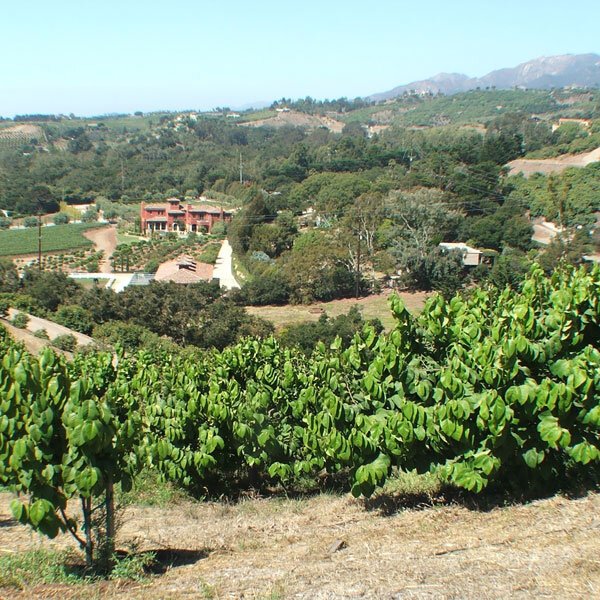
Addressing WUI Wildfire Buffer Gaps
The communities throughout Santa Barbara County have varying degrees of wildfire buffer along their WUI edges. Goleta benefits from significant portions of its WUI edged by irrigated orchards

Rail Corridor Fire Prevention
Much like roadsides, vegetation along railroad corridors creates risk of fire ignition and spread. With the increasing prevalence of homeless encampments along road and railroad corridors, particularly in and near urban areas…

Dangermond Preserve Fire Resilience Projects
The Nature Conservancy stewards the 24,000-acre Jack and Laura Dangermond Preserve (JLDP) at Point Conception. JLDP is of biological and cultural significance regionally and globally.
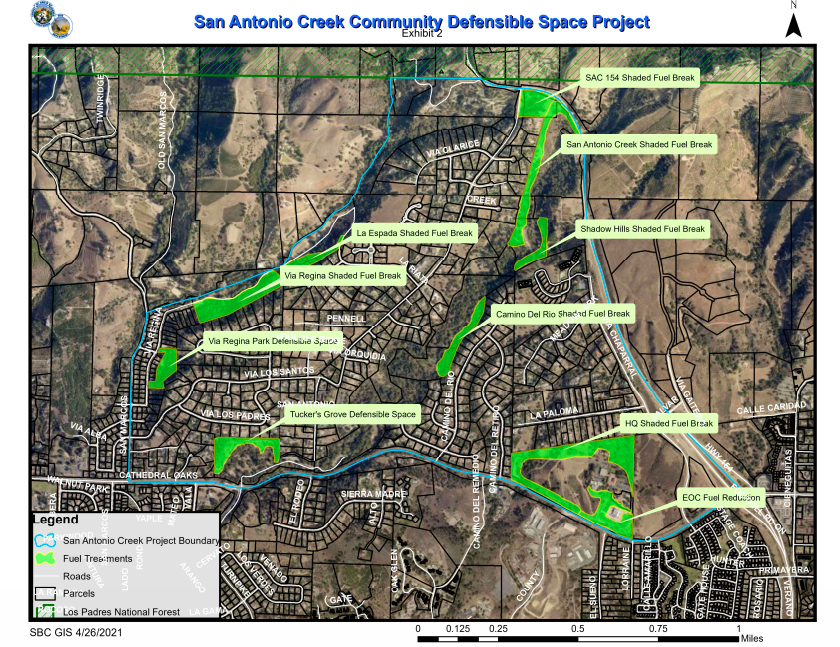
San Antonio Creek Community Defensible Space Project
In June 2021, the Santa Barbara County Fire Department received funding from the State Coastal Conservancy to implement a community defensible space project in the San Antonio Creek area foothills.

Carpinteria Summerland Fire Protection District
In June 2021, the Carpinteria Summerland Fire Protection District received funding from the State Coastal Conservancy to conduct a multi-pronged fuels reduction treatment program…

Developing Indigenous Burning Guidelines
Prescribed fire can help reduce fuel loads in key areas that are safe to burn and where there has been a dearth of fire in the past.
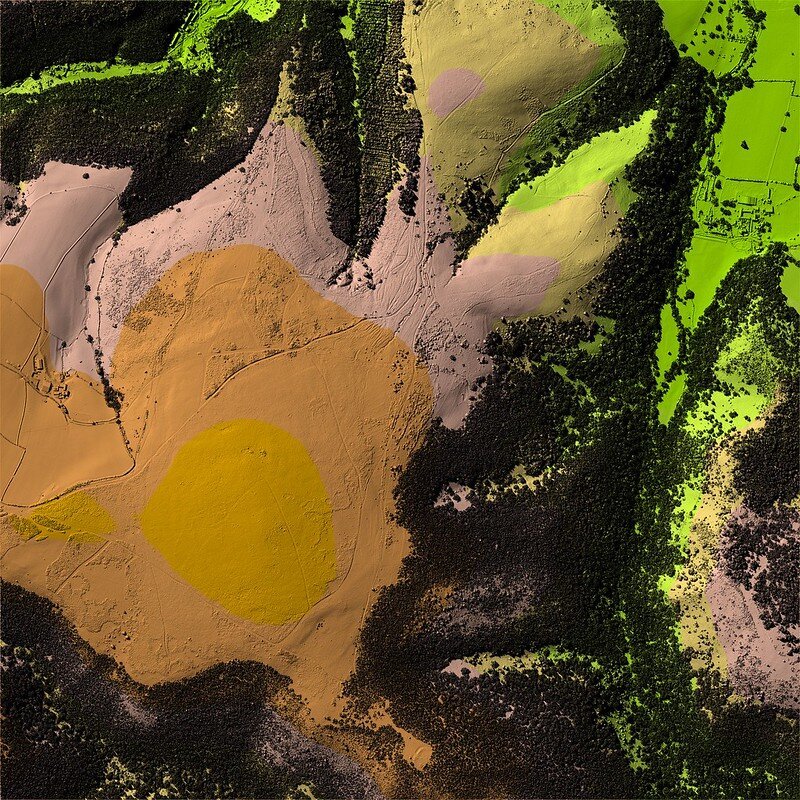
Countywide Fine Resolution LIDAR Data
There is a long term need to acquire Santa Barbara County wide, cross jurisdictional, LIDAR data in addition to the periodic orthographic overflights that are undertaken for aerial mosaic mapping product needs.

Campsite Fire Buffers on Paradise Road and Other Recreational Areas Throughout the County
Paradise Road and other public land recreation areas throughout the County are highly visited community resources utilized by all income levels. These areas often include fire pits, grills and picnic areas where…
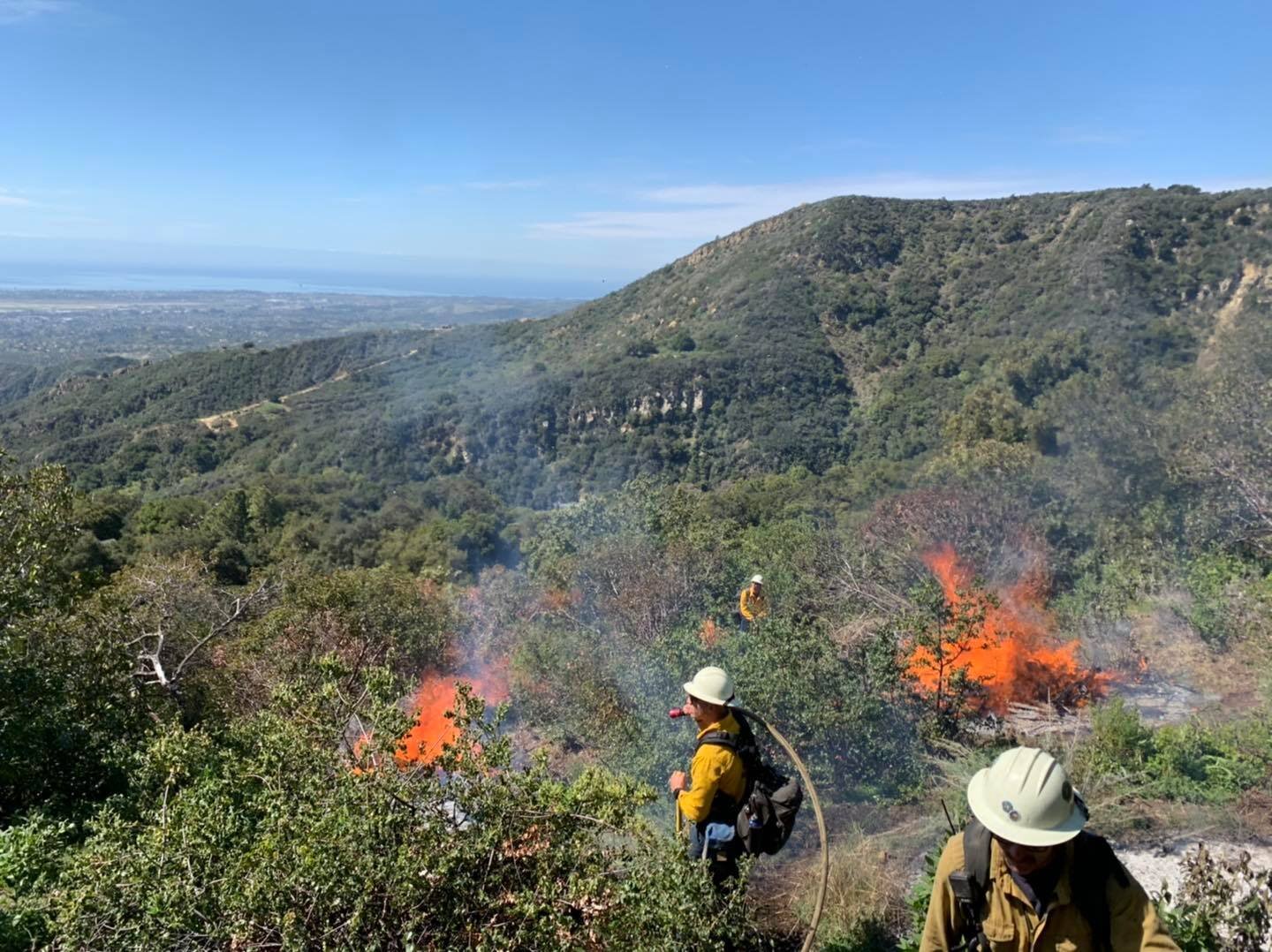
Tepusquet Canyon Vegetation Management Project
Tepusquet Canyon includes underserved communities and low income migrant workers, making this a high priority area from an equity perspective.
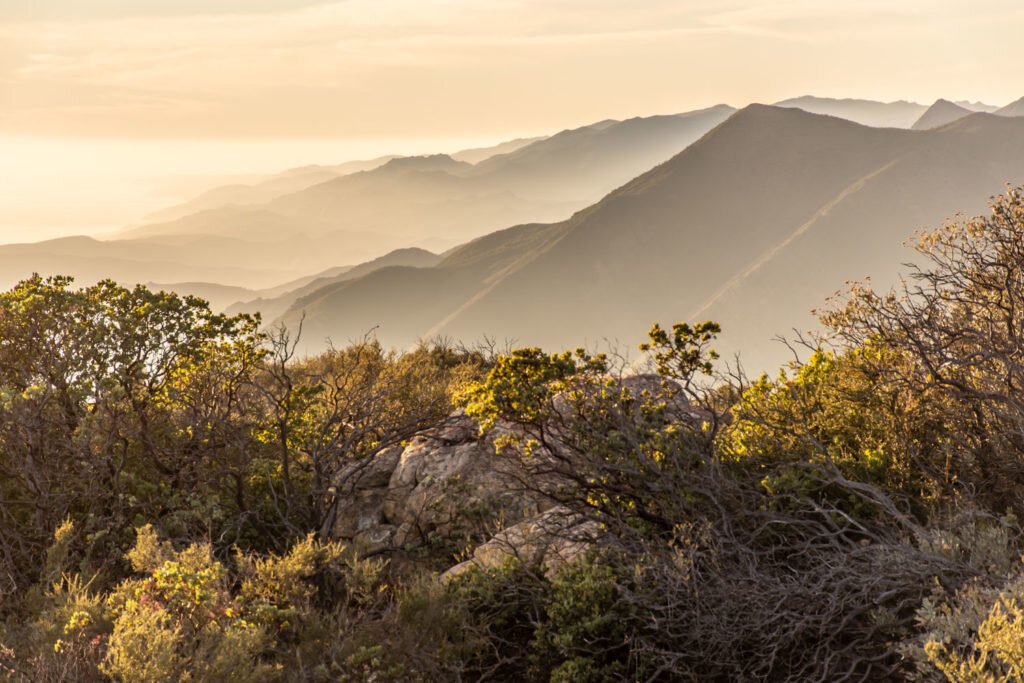
Coordination of WUI Projects Across Management Entity Boundaries for example with LPNF, VAFB, Land Trusts, and County Parks
When fires occur, they often start in areas of the national forest and enter into the unincorporated WUI portions of the County. There is a need to conduct detailed mapping of invasive, flammable vegetation or other fire risks…
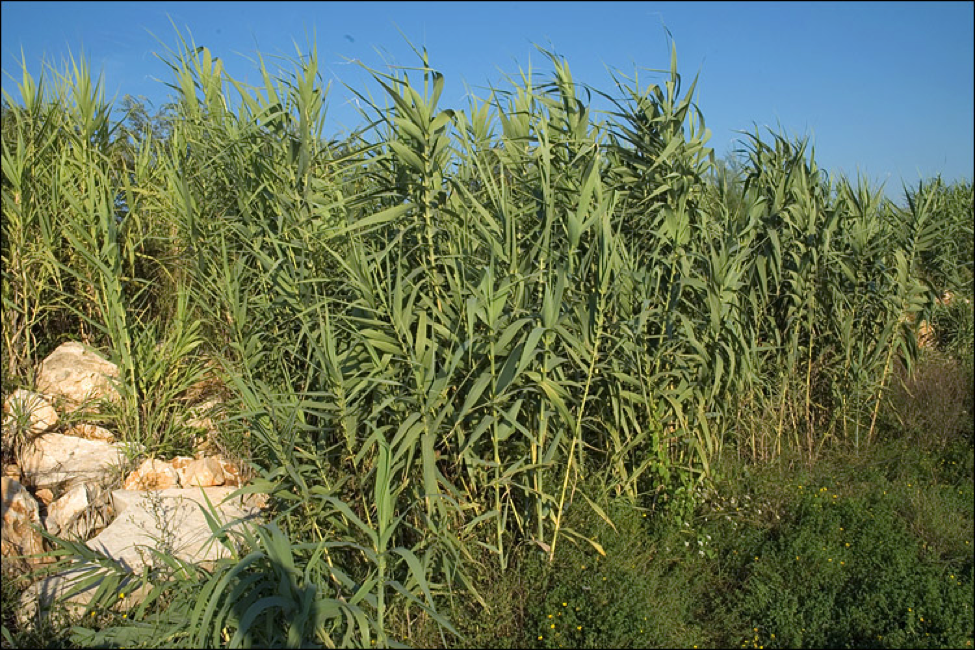
Restoration with a Fire Resilience Focus: Mapping and Removal of Invasive and Non-native Species that Exacerbate Fire Risk
The restoration recommendations detailed in other restoration items in the Regional Priority Plan would also require the removal of invasive and non-native species from other high priority areas in the WUI.