
Living with fire.
See how fire shapes communities.
Reactive
Proactive


Before
During
After
Lack of Community Preparedness & Coordination
Communities with a reactive approach often lack comprehensive preparation. Fire safety measures may be minimal, with limited investment in prevention infrastructure.

Community Disorganization
No evacuation plan, poor emergency coordination, no fire-safe policies

Lack of Coordination & Awareness
No communication plans or neighborhood networks

Weak Policy & Inadequate Resources
Underfunded fire departments and outdated fire codes
Land & Vegetation Management
Without proper land management, communities create dangerous conditions for wildfire spread. Overgrown vegetation and lack of defensible space put structures at risk.

Overgrown, Unmanaged Fuel Loads
Thick, dry undergrowth and unchecked vegetation

Lack of Prescribed Burns
When cultural burning practices are ignored
Infrastructure Failures
Vulnerable infrastructure makes communities susceptible to fire damage. From flammable building materials to inadequate water sources, these failures compound during fire events.
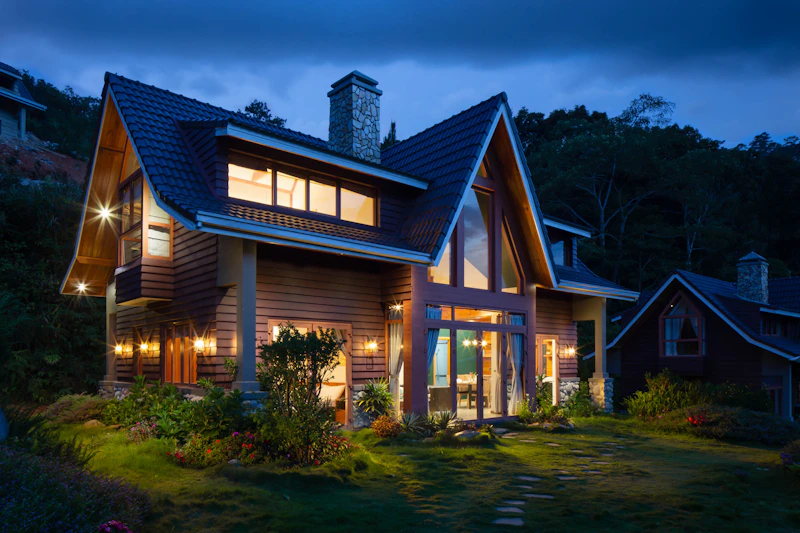
Flammable Homes & Infrastructure
Wood shingles, open vents, untreated decks

Lack of Water Reserves
Empty wells and dry hydrants when fire arrives